
Industrial Automation Transforming Modern Manufacturing Operations
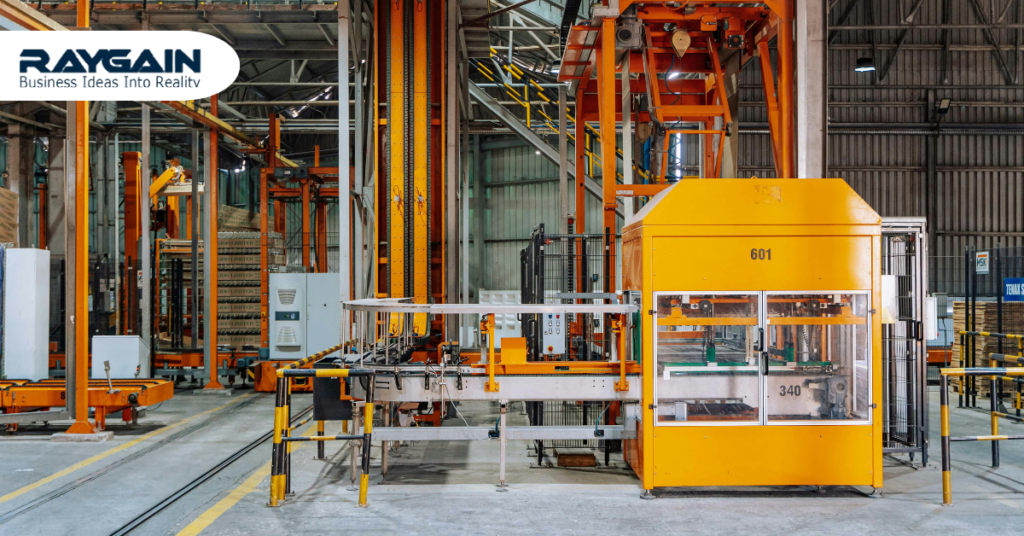
Industrial automation is redefining the future of manufacturing by enabling businesses to achieve higher productivity, operational efficiency, and precision across industrial environments. Modern factories are increasingly adopting smart automation systems that combine connected machinery, intelligent software, robotics, sensors, and real-time monitoring to create streamlined production ecosystems. As industries continue to evolve toward digital transformation, automation technologies are becoming essential for maintaining competitiveness, improving process reliability, and supporting scalable industrial growth. The Evolution of Intelligent Industrial Systems Manufacturing environments have shifted from conventional machine-based operations to highly integrated digital production systems. Advanced industrial automation allows machines, equipment, and production lines to communicate seamlessly through connected networks and industrial control systems. This integration enables continuous monitoring, predictive maintenance, and synchronized workflows that reduce downtime and improve operational visibility. Industries such as automotive, pharmaceuticals, food processing, oil and gas, logistics, and electronics manufacturing are increasingly deploying automation technologies to optimize performance and maintain production consistency. Industrial automation solutions now extend beyond repetitive machine tasks and support intelligent decision-making through data-driven insights and analytics. The rise of smart factories has accelerated the adoption of technologies including programmable logic controllers (PLC), supervisory control and data acquisition (SCADA), industrial Internet of Things (IIoT), robotics, machine vision systems, and artificial intelligence. These technologies collectively create an ecosystem where industrial operations become more adaptive, connected, and efficient. Smart Manufacturing and Real-Time Connectivity Real-time connectivity has become a critical component of industrial automation. Connected industrial systems allow businesses to monitor machine performance, track production metrics, and manage operations from centralized platforms. Industrial networks support seamless communication between devices, enabling rapid data exchange and automated responses within manufacturing environments. Industrial IoT devices play a major role in collecting operational data from sensors, machines, and equipment. This information helps organizations analyze production efficiency, detect anomalies, and improve asset utilization. Real-time monitoring also enhances production transparency and allows faster decision-making across factory operations. Automation systems integrated with cloud computing and edge computing technologies provide manufacturers with greater scalability and operational flexibility. These systems enable businesses to manage distributed manufacturing facilities while maintaining centralized control and data visibility. Robotics Enhancing Production Efficiency Industrial robotics continues to transform production environments by improving speed, consistency, and precision. Automated robotic systems are widely used for material handling, assembly, packaging, welding, inspection, and palletizing applications. These systems reduce manual intervention while maintaining high levels of operational accuracy. Collaborative robots, commonly known as cobots, are becoming increasingly popular in manufacturing environments. Unlike traditional industrial robots, cobots are designed to work safely alongside human operators, supporting flexible and adaptive manufacturing processes. Their ability to handle repetitive tasks helps businesses improve workforce productivity and reduce operational fatigue. Robotic automation also supports high-volume manufacturing while maintaining product quality standards. Advanced robotic systems integrated with machine vision technology can identify defects, monitor product alignment, and enhance quality control processes across production lines. Industries adopting robotic automation often experience improved throughput, reduced operational costs, and optimized production cycles. Predictive Maintenance and Operational Reliability Predictive maintenance is becoming one of the most valuable applications of industrial automation. Modern automation systems use sensors, analytics, and machine learning algorithms to monitor equipment conditions and predict potential failures before breakdowns occur. Traditional maintenance approaches often rely on fixed schedules or reactive repairs, which can result in unplanned downtime and increased operational costs. Predictive maintenance improves equipment reliability by enabling maintenance teams to identify performance irregularities early and address issues proactively. Condition monitoring systems continuously analyze factors such as temperature, vibration, pressure, and energy consumption. This data-driven approach helps businesses maximize machine uptime and extend equipment lifespan. Industrial facilities implementing predictive maintenance strategies benefit from reduced maintenance expenses, improved operational continuity, and better asset management. Cybersecurity in Industrial Automation As industrial systems become increasingly connected, cybersecurity has emerged as a critical priority for modern manufacturing operations. Industrial automation networks are now linked with enterprise systems, cloud platforms, and remote monitoring solutions, making secure infrastructure essential for protecting operational data and critical assets. Industrial cybersecurity solutions help businesses safeguard automation systems from unauthorized access, data breaches, and cyber threats. Security frameworks integrated into industrial control systems provide protection across connected devices, operational technology networks, and communication protocols. Secure industrial environments improve system reliability while supporting uninterrupted production processes. Manufacturers are increasingly investing in network segmentation, endpoint protection, secure remote access, and threat detection systems to strengthen industrial cybersecurity strategies. The integration of cybersecurity within industrial automation ensures operational resilience and supports the long-term sustainability of connected manufacturing ecosystems. Data-Driven Industrial Decision Making Industrial automation generates large volumes of operational data that can be transformed into actionable business intelligence. Advanced analytics platforms help organizations evaluate production trends, monitor equipment efficiency, and optimize industrial workflows. Artificial intelligence and machine learning technologies enhance industrial decision-making by identifying patterns, improving forecasting accuracy, and supporting process optimization. Manufacturers can use automation data to improve supply chain coordination, reduce waste, and enhance overall production performance. Data-driven automation strategies also support sustainability initiatives by helping industries minimize energy consumption and improve resource utilization. Energy-efficient manufacturing operations contribute to cost savings while supporting environmentally responsible industrial practices. Future Growth of Industrial Automation The future of industrial automation continues to evolve with advancements in artificial intelligence, industrial connectivity, edge computing, and autonomous systems. Smart manufacturing environments are expected to become more adaptive, intelligent, and interconnected as industries accelerate digital transformation initiatives. Businesses investing in industrial automation technologies are strengthening operational efficiency, production scalability, and long-term competitiveness. Automated manufacturing systems are no longer limited to large industrial enterprises, as scalable automation solutions are increasingly accessible to medium-sized industries and growing businesses. Industrial automation remains a key driver of innovation across manufacturing sectors by enabling faster production, improved quality control, optimized operational performance, and intelligent industrial management. As connected technologies continue to advance, automation will play a central role in shaping the next generation of smart industrial ecosystems.
Private 5G is Redefining Enterprise Connectivity and Industrial Intelligence

The Rise of Dedicated Enterprise Networks Modern enterprises are entering a phase where connectivity is no longer limited to communication alone. Businesses now depend on real-time data exchange, intelligent automation, connected devices, and uninterrupted digital operations. In this environment, Private 5G is emerging as a transformative technology that provides organisations with secure, reliable, and high-speed wireless infrastructure designed exclusively for enterprise operations. Unlike traditional public networks, Private 5G gives businesses greater control over network performance, coverage, latency, and security. Industries that rely on mission-critical operations are increasingly adopting this technology to support automation, smart manufacturing, predictive maintenance, remote monitoring, and industrial IoT ecosystems. As enterprises continue to modernise their operations, Private 5G is becoming a key foundation for digital transformation and connected industrial environments.________________________________________ Private 5G Enables Faster and More Reliable Enterprise Operations Enterprise networks are expected to support a growing number of connected devices, cloud platforms, sensors, cameras, robotics systems, and AI-powered applications. Traditional wireless infrastructure often struggles to maintain consistent performance under such complex workloads. Private 5G introduces a dedicated and controlled wireless environment that delivers high bandwidth, ultra-low latency, and stable connectivity across industrial facilities, warehouses, campuses, and smart infrastructure. High-Speed Connectivity Across Large Environments Large industrial spaces require uninterrupted communication between machines, systems, and operational teams. Private 5G networks support seamless data transfer with minimal delay, enabling businesses to maintain efficient workflows even in high-density environments. Manufacturing units, logistics centres, and industrial plants benefit from stable wireless communication that supports automation without interruptions. The result is smoother operational coordination and better productivity across departments. Reduced Latency for Real-Time Decision Making Low-latency connectivity plays a critical role in industries that rely on immediate response and precision. Private 5G allows systems to process and exchange data almost instantly, improving machine responsiveness and operational visibility. Applications such as autonomous guided vehicles, robotic systems, remote equipment control, and smart surveillance operate more efficiently when connected through Private 5G infrastructure. This capability helps organisations reduce delays, improve operational accuracy, and maintain continuous production environments.________________________________________ Smart Manufacturing Gains New Capabilities with Private 5G Manufacturing facilities are rapidly evolving into intelligent production ecosystems powered by automation, AI, robotics, and Industrial IoT devices. Private 5G strengthens this transformation by enabling faster communication between connected systems. Industrial Automation Becomes More Efficient Connected machinery requires uninterrupted data exchange for monitoring, diagnostics, and performance optimisation. Private 5G supports reliable communication between industrial systems, reducing dependency on wired infrastructure while maintaining operational stability. Factories can integrate advanced automation technologies with improved flexibility and scalability. This creates a more adaptive manufacturing environment capable of supporting modern production demands. Predictive Maintenance Improves Equipment Reliability Industrial downtime often leads to operational delays and increased maintenance costs. Private 5G enables continuous monitoring of machines and connected assets through real-time data transmission. Sensors and analytics platforms can identify performance irregularities early, helping maintenance teams address issues before failures occur. Predictive maintenance supported by Private 5G improves equipment lifespan, minimises downtime, and enhances operational continuity. Intelligent Data Flow Supports Better Production Insights Modern factories generate massive volumes of operational data every second. Private 5G helps enterprises manage this information efficiently by enabling faster communication between edge devices, analytics systems, and cloud platforms. This improves production visibility and supports data-driven decision-making across manufacturing operations.________________________________________ Private 5G Strengthens Enterprise Security and Network Control Security remains a major concern for businesses managing sensitive operational data and connected industrial systems. Public networks may expose enterprises to congestion, unauthorised access, and unpredictable performance limitations. Private 5G provides organisations with dedicated infrastructure that improves data privacy and operational control. Dedicated Network Architecture Enhances Security A private network environment reduces exposure to external traffic and improves access management. Enterprises gain greater control over connected devices, user authentication, and network policies. Industries such as healthcare, defence, logistics, utilities, and manufacturing benefit from stronger security frameworks that help protect critical business operations. Greater Operational Visibility and Management Private 5G allows businesses to monitor network activity, device performance, and connectivity status in real time. IT teams can optimise bandwidth allocation, prioritise mission-critical applications, and maintain stable communication across enterprise systems. This level of visibility supports more efficient network management while improving overall operational reliability.________________________________________ Private 5G Supports the Expansion of Industrial IoT The growth of Industrial IoT continues to increase the number of connected devices operating within enterprise environments. Smart sensors, cameras, wearable devices, autonomous systems, and AI-driven applications require consistent and scalable wireless communication. Private 5G provides the infrastructure needed to support large-scale IoT deployments without compromising performance. Seamless Connectivity for Connected Devices Industrial environments often contain thousands of connected endpoints operating simultaneously. Private 5G supports high device density while maintaining network stability and responsiveness. Businesses can deploy advanced monitoring systems, automated inspection technologies, and intelligent operational platforms with greater efficiency. Edge Computing Integration Enhances Performance Private 5G works effectively with edge computing environments by enabling faster local data processing. This reduces dependency on distant cloud servers and supports quicker decision-making for time-sensitive industrial applications. Edge-enabled Private 5G environments improve operational responsiveness and support intelligent enterprise ecosystems.________________________________________ The Future of Enterprise Connectivity is Becoming More Intelligent The evolution of connected industries is increasing demand for secure, scalable, and high-performance wireless infrastructure. Private 5G is positioned as a major enabler of enterprise innovation, supporting automation, industrial intelligence, smart infrastructure, and digital transformation initiatives. As businesses continue integrating AI, robotics, Industrial IoT, and real-time analytics into daily operations, Private 5G will play a critical role in maintaining seamless connectivity and operational efficiency. Enterprises adopting Private 5G are building future-ready environments capable of supporting advanced technologies, intelligent workflows, and large-scale digital operations with greater reliability and control. Conclusion Private 5G is transforming the way enterprises manage connectivity, automation, and industrial operations. Its ability to deliver secure communication, ultra-low latency, scalable device connectivity, and reliable network performance makes it a powerful solution for modern business environments. From smart manufacturing and industrial automation to predictive maintenance and intelligent IoT ecosystems, Private 5G is enabling organisations to improve operational efficiency and accelerate digital transformation. As industries continue moving
Cyber Security: Strengthening Digital Resilience in a Connected World

The Expanding Digital Ecosystem The modern digital environment is defined by constant connectivity, where systems, applications, and devices interact across vast networks. This interconnected structure has enabled seamless communication and operational efficiency, but it has also introduced layers of complexity that demand strong protection mechanisms. Organizations today operate within ecosystems where data flows continuously, making security an integral part of every digital interaction. As businesses expand their digital presence, the importance of maintaining secure infrastructures becomes more evident. Cyber security is no longer confined to protecting endpoints; it extends across cloud platforms, enterprise systems, and communication networks. The focus has shifted toward building environments that are resilient, adaptive, and capable of maintaining integrity even under pressure. The Foundation of Secure Architectures A robust cyber security framework is built on structured layers that work together to safeguard systems and data. These layers ensure that security is not dependent on a single control point but is distributed across multiple levels of operation. Network Security and Access Control Network security forms the first line of defense, ensuring that only authorized traffic can access critical systems. Advanced access control mechanisms define who can interact with specific resources, creating a controlled environment where permissions are carefully managed. This structured access minimizes the risk of unauthorized intrusion while maintaining operational flow. Data Protection and Encryption Data is at the core of every digital operation, making its protection a priority. Encryption techniques secure information both in transit and at rest, ensuring that sensitive data remains inaccessible to unauthorized entities. Strong data protection strategies maintain confidentiality while supporting secure data exchange across platforms. Endpoint and Device Security With the rise of distributed work environments, endpoints have become critical points of vulnerability. Securing devices through continuous monitoring and protective measures ensures that threats are identified and neutralized before they impact the broader system. This approach strengthens the overall security posture by addressing risks at the source. Intelligent Threat Detection and Response Cyber threats have evolved into sophisticated and dynamic challenges that require proactive detection and response mechanisms. Modern security systems rely on advanced analytics to monitor patterns, identify anomalies, and respond to potential threats in real time. Real-Time Monitoring and Analysis Continuous monitoring enables organizations to maintain visibility across their entire infrastructure. By analyzing system behavior and network activity, security solutions can detect irregular patterns that may indicate a threat. This immediate insight allows for swift action, reducing the potential impact of security incidents. Automated Response Mechanisms Automation plays a crucial role in managing large-scale security operations. Automated response systems can isolate affected components, block malicious activity, and initiate recovery processes without delay. This rapid response capability ensures that threats are contained before they can escalate. Incident Management and Recovery Effective incident management ensures that security events are handled with precision and efficiency. Structured response strategies enable organizations to minimize disruption while restoring normal operations. Recovery processes are designed to maintain continuity and reinforce system resilience. Building a Culture of Security Awareness Technology alone cannot ensure complete protection; human awareness is equally important. A well-informed workforce acts as an additional layer of defense by recognizing potential risks and responding appropriately. Organizational Security Practices Establishing clear security practices within an organization ensures consistency in how systems and data are handled. Defined protocols guide employees in maintaining secure interactions, reducing the likelihood of accidental vulnerabilities. Continuous Training and Adaptation Regular training programs keep individuals updated on evolving security challenges. As threats become more advanced, continuous learning ensures that teams remain prepared to address new risks effectively. This adaptive approach strengthens the overall security framework. The Role of Advanced Technologies Emerging technologies are redefining the landscape of cyber security by introducing intelligent and adaptive capabilities. These innovations enhance the ability to predict, prevent, and respond to threats with greater precision. Artificial Intelligence and Machine Learning Artificial intelligence and machine learning enable systems to analyze vast amounts of data and identify patterns that may indicate potential threats. These technologies enhance predictive capabilities, allowing organizations to address vulnerabilities before they are exploited. Cloud Security and Distributed Systems As organizations adopt cloud-based solutions, securing distributed environments becomes essential. Cloud security frameworks ensure that data and applications remain protected across virtual infrastructures, maintaining consistency in security standards regardless of location. Zero Trust Architecture Modern security strategies increasingly rely on zero trust principles, where every access request is verified regardless of its origin. This approach eliminates assumptions of trust within the network, ensuring that every interaction is authenticated and authorized. Enhancing Operational Continuity Cyber security plays a critical role in maintaining uninterrupted operations. Secure systems ensure that businesses can function without disruption, even in the face of potential threats. By integrating security into operational processes, organizations can maintain stability and reliability across all functions. Strong security measures also support compliance with regulatory standards, ensuring that organizations meet required guidelines while protecting sensitive information. This alignment between security and compliance enhances trust and credibility. Future Outlook of Cyber Security The future of cyber security is shaped by increasing complexity and the continuous evolution of digital technologies. As systems become more interconnected, security strategies will focus on adaptability and intelligence. Advanced analytics, automation, and integrated security frameworks will define the next phase of digital protection. Organizations that prioritize cyber security as a core component of their operations will be better positioned to navigate emerging challenges. By building resilient systems and fostering a proactive security culture, they can ensure long-term stability in an ever-changing digital landscape. Cyber security is not a standalone function but a continuous process that evolves alongside technology. Its ability to protect, adapt, and sustain digital environments makes it an essential element of modern operations, ensuring that innovation and security progress together.
Industrial Automation is a Modern Force in Industry
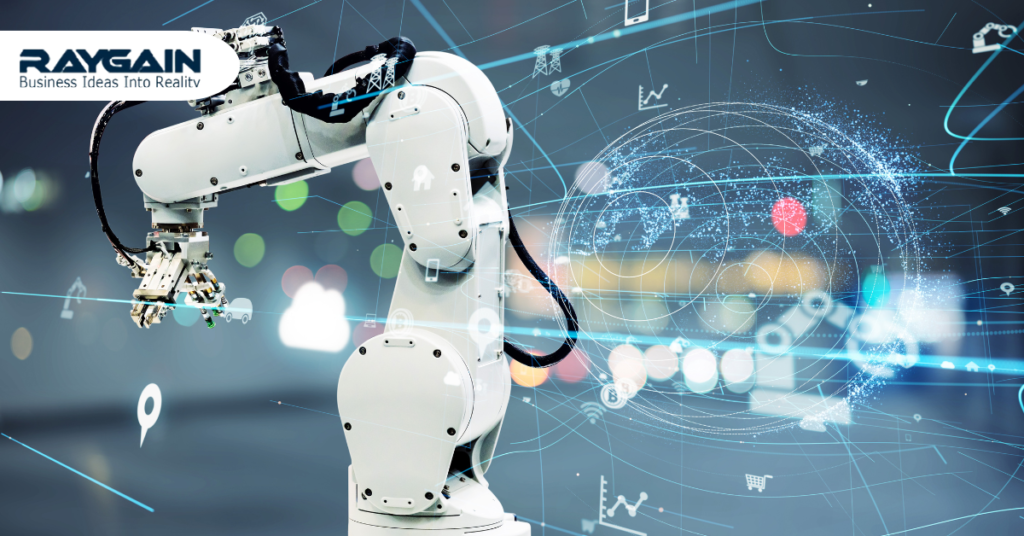
The Changing Face of Industrial Automation Industrial automation is a vital part of today’s industries and has changed how companies work, creating new ways of producing goods to deliver value. The evolution of industrial automation has changed from just machinery (mechanization), to a combination of advanced software, smart devices and people, to the use of intelligent systems to provide a complete solution to manage complex manufacturing processes while minimizing variance between operations (precision, consistency). This new way to automate manufacturing has given companies the ability to increase efficiency and improve the quality of their product. Integration of Programmable Logic Controllers (PLCs), Supervisory Control and Data Acquisition Systems (SCADA) and Distributed Control Systems (DCS) are some of the recent advances in industrial automation that provide real-time control and monitoring of the manufacturing process. By being able to convert the operational data generated by an automated company into useful information, businesses can maintain effective workflow and react quickly to changing conditions in the manufacturing environment. Industrial Automation & Usage of Data Data is one of the major components of the strength of (industrial) automation. Industry-wide, plant/factory settings are being equipped with sensors/IOT (internet of things) that continuously gather information about the performance of equipment, or what is taking place in their environment. As a result, with access to real-time performance metrics, companies have greater ability to make informed decisions and have the ability to optimize their operations and create efficiencies. Predicting Maintenance and Reliability Many automated systems have adopted predictive maintenance as a major part of their capabilities. By utilizing equipment’s performance data (historical data), predicting when a piece of equipment will fail or will need repairing/replacing is now possible. Predictive maintenance enables companies to shorten their downtime through longer-term prediction of equipment needs; to maximize the lifetime of equipment; to have a more consistent level of production; and to lower the cost of maintenance through eliminating unnecessary maintenance activities. The Use of Artificial Intelligence Industrial automation has also enjoyed the new dimension added by artificial intelligence and machine learning technologies. This enables the system(s) to learn from experience and pattern, adjust to varying conditions, and adjust to optimize processes without having a person having to be involved in the change. An example of this would be on a production line – if multiple components are being used to make a final product and some of those components suddenly need to be changed, the production line will adjust the production parameters in accordance to how the end user requires. Adaptive Smart Manufacturing Through the use of artificial intelligence (AI) to manage a smart manufacturing environment, manufacturers can become more flexible and responsive to current marketplace demands. Once automated machines are set up with different configurations, they are able to switch back and forth between those different configurations to provide the least amount of delay from the time of the switch; thus allowing for maximum efficiency to be realized by the manufacturers, regardless of how quickly the marketplace may change. Workplace Safety Improvement Manually operated machines and robots are more successful in eliminating the hazards of the workplace than if humans were performing those tasks. Machines and robotic systems work well in extreme working environments, are capable of handling heavy products safely and are capable of performing repetitive tasks with a high level of accuracy. Collaborative Human/Machine Working Relationship Rather than replacing human labor, automation enhances the productivity of that labor by providing humans with the opportunity to work on strategic, analytical and creative tasks while machines and robots perform the more routine tasks. The result is greater productivity and a safer workplace. Maximizing the Value of Automated Industrial Systems The main advantage of industrial automation is its scalability. Automated systems give companies the ability to grow their production without requiring a larger workforce and complex infrastructure increase. Flexibility in Growth and Expansion Companies can easily replicate or upgrade automated systems to handle an increase in production. Because these systems are designed for scalability, businesses can respond rapidly to changing markets while continuing to operate efficiently. This scalability also allows for long-term business growth through reduced reliance on manual processes. Increased Energy Efficiency and Sustainability In today’s industrial world, sustainability is a key focus. Automation is designed to optimize the use of resources and minimize waste, which leads to both environmental and economic benefits. Optimized Resource Use Intelligent control systems keep machines operating only when needed and at optimal levels; therefore, companies are using less energy while maintaining compliance with global sustainability standards. As industries work to reduce their carbon footprints, automation will help achieve their goals. Interconnectivity & Industry 4.0 Industry automation is a major component in the Industry 4.0 revolution and manufacturers increasingly use automated processes to achieve a seamless, interconnected, and transparent business ecosystem. Automation occurs across the entire value chain linking production, supply chain, and delivery processes. End to End Visibility As an integrated operating environment, this interconnected business model provides businesses complete insight into all aspects of their operations. By utilizing automated systems, manufacturers can gather data that reflects operational performance, identify inefficiencies, and make improvements to all production processes; creating a more flexible and responsive industrial system. Customization and Modern Production Automation now allows businesses to manufacture custom products in volume; utilizing configurable systems that allow manufacturers to create custom products without sacrificing efficiency. Mass Customization with Automated Manufacturing Automated manufacturing systems can easily switch between different specifications for a product on an automated manufacturing system making mass customization possible. This capability responds to an increasing demand for customized solutions in many industries and enhances consumer satisfaction and manufacturers’ competitive position. The Human Element of Automation Despite technology advancements, human participation and knowledge still play a vital role in industrial automation. Advanced and skilled professionals are required to create, develop, and manage automated processes. Skill Development and Future Possibility The increasing reliance on automation has generated a growing demand for skilled individuals in the fields of robotics, data analytics, and systems integration which create new opportunities
The Transformation of Offshore Development

The transformation of Offshore Development from a tactical approach focused on cost reduction, to a strategic approach that focuses on business growth is happening every day in our global distribution business model. Organizations deploying offshore development teams have shifted from merely extending their capability across borders to creating resilient and scalable “shared” operational ecosystems — operating around the clock across many different cultures, time zones, and technology platforms. When implemented properly, companies can take advantage of specialized talent pools in new geographic regions that otherwise wouldn’t be available to them or would be significantly more expensive than where they operate. However, the true benefit of offshore development is in the way organizations deploy and manage these new capabilities. When planned and executed with purpose, offshore development becomes a vehicle for innovation, speed, and scalability.________________________________________ The Transition from Cost Savings to Economic Impact Historically, organizations focused primarily on using offshore development and outsourcing to reduce operating expenses. However, today’s organizations are placing a much greater emphasis on the economic impact of offshore partnerships (i.e., faster product cycles, continuous delivery pipelines, and experimenting with new technologies without overextending internal resources). Offshore development teams are now significantly integrated with product development lifecycles of the organizations with which they employ. These teams are increasingly being given a role in making architecture decisions, enhancing user experience, and optimizing performance. As a result, offshore development teams are transforming from simply providing execution capabilities (e.g., writing code) to being active, strategic, and value-adding contributors. Access to Specialized Talent on a Large ScaleOffshore software development gives you the opportunity to use highly qualified professionals who possess high-level skills that are often required for complex projects. Examples of this include artificial intelligence (AI) engineering, cloud-based software development, cybersecurity, and blockchain architecture, which will all have faster delivery times if you can access the talent needed to complete a complex project offshore.This is critical for those who are trying to compete effectively in some fast-paced industries where local hiring may not be feasible due to cost and time constraints. Having offshore development teams allows companies the chance to scale their workforce up or down quickly and easily to meet their project’s actual needs without making long-term commitments.________________________________________ Development on a 24-Hour Cycle (Time Zone Advantage) Developing internationally provides organizations an opportunity to use the geographic advantages of offshore software development and create a continuous development cycle. By taking advantage of different time zones, organizations have the ability to have teams working around the world continuously, which results in reduced turnaround times for development projects. This is particularly important for companies that practice agile development methodologies because the speed of iteration plays an important role in their ability to compete. For organizations that are using continuous integration and deployment pipelines, having a near-24-hour development cycle is extremely beneficial because it allows for faster rates of software releases and faster resolution of bugs. Cultural Alignment and Communication ExcellenceOne of the most overlooked benefits of offshore development is cultural alignment. Successful offshore teams are not just technically proficient but also adhere to the corporate values, communication style, and business objectives of the company they work for.________________________________________ Cultural Alignment and Communication Excellence Successful businesses will spend time developing effective communication frameworks, which generally include regular sync-ups, clear documentation, and the use of collaborative tools. It is critical that productivity remains at an optimum level when working with distributed teams through the use of transparency and accountability. Companies with a forward-thinking attitude will consider differences in culture as an asset rather than an obstacle. A company can rely on its diverse perspectives to help create more innovative solutions to problems and produce innovative products.________________________________________ Technology Infrastructure and Security Readiness Robust digital infrastructure is the foundation of successful offshore development operations. Distributed development teams generally rely on cloud computing platforms, version-control systems, and collaborative tools that allow for real-time collaboration. To ensure data privacy, protection, and compliance with international standards, companies are using methods that include zero-trust security models and encrypting communications to protect sensitive information. As a result, offshore teams benchmark their operations’ safety levels against those of in-house teams. Assemble Teams to Achieve Agile Integration and Process MaturityTo achieve a successful offshore development experience, it is essential to have mature development processes and an Integrated Method of Development (IMD) in place. An enterprise-level agile framework will allow for each team to use the same agile practices and methodologies, including sprint planning, backlog grooming, and performance tracking, regardless of where they are located.________________________________________ Assemble Teams to Achieve Agile Integration and Process Maturity Organizations that have successfully engaged in offshore development value their global teams as a single entity rather than as separate entities. When the entire organization has the same Key Performance Indicators (KPIs), goals, and workflows in place, it helps foster a collaborative development environment where teams work together to produce results.________________________________________ Risks Associated with Offshore Development Are Minimized by Partnering Strategically Offshore development does offer numerous benefits; however, it does offer risks that the organization must carefully manage. Choosing the appropriate partner(s) to work with and developing the right team structure are two critical components to managing the risks that come with offshore development. This includes evaluating technical ability, the ability to communicate effectively, and the ability to deliver reliable services over an extended period of time. In addition, by diversifying geographic locations for your offshore teams and not becoming overly dependent on one region, the organization can mitigate operational risks. The organization can also reduce risk through clear contractual agreements and protections of intellectual property that will provide for long-term stability for the organization. Offshore Development Towards The FutureVirtual working has increased, due to digital transformation taking place in most industries. As a result, offshore development won’t stop changing – it will continue to evolve.There will also be much greater emphasis put on things such as collaboration, innovation, and alignment with strategy than ever before and not just execution. Emerging technologies (eg AI-driven development, low-code platforms, automating processes) will only further improve
The Future of Cloud Computing in 2026

The Cloud in 2026 will significantly affect how companies access their resources and will deliver solutions to companies in a way that was not possible before. This will allow organizations to increase their speed and efficiency by accessing all the resources needed for onsite and remote working in real-time and in a seamless manner. Companies have begun to construct entire digital ecosystems that utilize the resources available through cloud computing to meet their business needs and drive innovation. Artificial Intelligence Transforming Cloud Environments Artificial Intelligence is having a significant impact on how companies design and manage their cloud environments from both an infrastructure and application perspective. In today’s cloud computing environments, organizations have become very reliant upon automated processes that manage the workloads of their applications; the integrated AI functionality to automate the management of the underlying infrastructure; and the use of predictive analytics to identify system problems before they occur. Many of the new capabilities of cloud-computing environments include self-healing systems, optimized resource allocations based on a wide variety of factors, and predictive scaling of applications. These capabilities allow organizations to deliver responsive applications no matter how much traffic they are having or how disruptive the environment may be. By using these capabilities effectively, companies have improved their overall reliability and significantly reduced their operational complexity. Multi Cloud And Hybrid Architecture Changing The Game With Their Flexibility Multi Cloud And Hybrid Architecture Changing The Game With Their Flexibility As many enterprises transition from their current infrastructure toward either a multi-cloud or hybrid-style model, they do so to alleviate potential vendor locking concerns and gain greater resilience. Rather than utilizing just one cloud vendor, organizations deploy their workloads across numerous cloud vendors and on-premises servers. This allows organizations to simultaneously achieve the lowest possible price point, maximum level of performance and meet all of their compliance needs. With the increasing need for industries that manage sensitive data to employ hybrid models of IT infrastructure, they are providing critical workloads that require private infrastructure solutions, but still leveraging the edge computing power of public cloud providers to support less critical workloads. This hybridization will enable companies to continue their IT transformation journey while ensuring that they maintain both control and flexibility in a competitive and rapidly evolving digital business environment. Accelerating Innovation Through Cloud-Native Development Cloud-native development of applications has become commonplace across most application verticals today. Today’s developers are now building their applications using cloud-native technologies such as containers, microservices and serverless computing (i.e. function as a service). These technologies enable developers to create and quickly deploy applications by breaking larger systems down into much smaller, independent system components that will allow for changes to be made without impacting the overall application. Cloud-native app development provides a modularized approach to building and deploying applications quickly and at a larger scale. As such, this type of app development can dramatically reduce the time it takes for a business to develop, test and deploy new capabilities, updates or improvements that align with the changing expectations of consumers. Cloud-based analytics and data processing are at the forefront of our ever-increasing need for real-time access to large amounts of data. The amount of information organizations produce continues to rise daily (terabytes of data every day), and the computational resources available through cloud computing allow for that data to be processed and analysed efficiently and accurately (in real-time). By integrating Big data analytics, machine learning, and artificial intelligence (AI) into the Cloud, businesses can make better decisions, provide more tailored experiences to customers, and discover new opportunities for growth. Data processing capability is a key source of competitive advantage across all industries. A New Focus on Sustainability With cloud computing becoming a primary method for storing and processing data, many cloud service providers have begun to concentrate their efforts on environmentally friendly data centre operations. Many of the top cloud computing providers are investing substantial resources into building energy-efficient data centres and investing in renewable energy for their data centre operations. This is helping organizations to realise a reduction in their environmental footprint and continue to deliver high-performance computing services to their end-users. Green Cloud initiatives also include a focus on optimised workload management and intelligent use of energy to ensure that resources are used as efficiently as possible. Organizations are increasing their purchasing preferences on the basis of a cloud computing provider’s sustainability commitments; therefore, a cloud provider’s use of eco-friendly infrastructure will become increasingly important as an influencer to overall purchasing decisions. As more and more companies adopt the Cloud, security is becoming increasingly important. Cloud environments are now configured to operate under a “zero trust” methodology. Therefore, every individual, device, and application needs to be validated before being allowed access to the Cloud environment. Thus there is far less chance of an unauthorized individual accessing information and a decrease in the chance that a data breach will occur. Security and Zero Trust in Cloud Computing Security solutions are now built into the majority of Cloud services provided by Cloud vendors. Security features include encryption, identity management, threat detection (using artificial intelligence), and provide a high level of protection against cyber threats while remaining compliant with the regulations governing data protection in each country or geographical area. Edge Computing and Real-Time Processing Edge computing will dramatically alter the way in which data is processed and delivered. Rather than relying solely on central servers in the Cloud, data processing will take place very near to the device (IoT [Internet of Things] devices, sensors, and other users) that is generating the data. This means that the latency time of data retrieval will be drastically reduced which will allow organizations to make real-time decisions (i.e., this is critical to autonomous vehicles, smart cities and industry automation). Edge computing and the Cloud will work together as part of a distributed ecosystem that meets both speed and scalability requirements. Future of Cloud Computing As cloud computing has matured it has become an enabler of digital transformation not
Digital Transformation as a Strategic Growth Engine
Digital transformation has evolved into a foundational element of modern business strategy, shaping how organizations operate, compete, and scale. It represents a shift toward integrating advanced technologies into every layer of business processes, enabling smarter decisions, faster execution, and stronger market positioning. Rather than functioning as a one-time initiative, it continues as an ongoing evolution that aligns technology with long-term business objectives. Organizations embracing this shift are restructuring their workflows, customer interactions, and operational models to create more value. The focus is on building systems that are adaptable, data-driven, and capable of responding to dynamic market conditions without delays or inefficiencies.________________________________________ The Shift Toward Intelligent Ecosystems Businesses are moving toward interconnected systems where technology, data, and human inputs work in harmony. These ecosystems enable seamless collaboration between departments, partners, and platforms, resulting in improved efficiency and innovation. Data as a Core Asset Data has become a strategic resource that drives decision-making across all levels of an organization. Real-time insights allow businesses to anticipate customer needs, optimize operations, and identify growth opportunities. This capability reduces uncertainty and enhances precision in planning and execution. Automation Driving Efficiency Automation is streamlining repetitive and time-consuming tasks, allowing businesses to operate with greater speed and accuracy. By reducing manual intervention, organizations can minimize errors and allocate resources to more strategic initiatives. This shift enhances productivity while maintaining consistency in output.________________________________________ Customer Experience as a Competitive Differentiator Customer expectations have transformed significantly, requiring businesses to deliver seamless and engaging experiences across all touchpoints. Digital transformation enables organizations to meet these expectations through personalized and consistent interactions. Personalization at Scale Advanced tools powered by artificial intelligence allow businesses to tailor experiences for individual users. Personalized recommendations, targeted messaging, and customized services improve engagement and strengthen customer relationships. Omnichannel Integration A unified presence across multiple platforms ensures a consistent brand experience. Customers can interact through websites, mobile applications, and social media channels without disruption, creating a smooth and cohesive journey.________________________________________ Agility and Innovation Through Technology The ability to adapt quickly to market changes has become a critical advantage. Digital transformation empowers organizations to respond to challenges and opportunities with greater flexibility. Cloud-Driven Scalability Cloud-based solutions provide the infrastructure needed to scale operations efficiently. Businesses can expand their capabilities without heavy investments in physical resources, enabling faster deployment and broader reach. Continuous Innovation Culture A culture of experimentation encourages organizations to explore new ideas and refine their offerings. By leveraging data and insights, businesses can continuously improve products and services, ensuring relevance in a competitive environment.________________________________________ Workforce Enablement in the Digital Era The transformation journey extends beyond technology to include people and processes. Employees play a crucial role in driving and sustaining digital initiatives. Digital Skills Development Organizations are investing in training programs to equip employees with the skills needed to navigate digital tools and platforms. This focus on skill development ensures that teams remain capable and confident in adapting to new technologies. Remote and Hybrid Work Models Digital platforms have enabled flexible work environments, allowing teams to collaborate effectively regardless of location. This approach enhances productivity while supporting a balanced work structure.________________________________________ Security and Trust in a Digital-First Environment As businesses adopt digital technologies, maintaining security and building trust becomes essential. Protecting data and ensuring compliance are critical to sustaining operations and customer confidence. Cybersecurity Integration Security measures are embedded into digital systems to protect against potential threats. Continuous monitoring and proactive risk management help prevent disruptions and safeguard sensitive information. Transparency and Accountability Organizations are prioritizing ethical practices and clear communication regarding data usage. Transparency strengthens relationships with customers and stakeholders, reinforcing trust and credibility.________________________________________ Measuring Impact and Sustaining Growth Digital transformation requires continuous evaluation to ensure alignment with business goals. Organizations are using performance metrics to assess effectiveness and identify areas for improvement. Data-Driven Decision Making Analytics tools provide valuable insights that guide strategic decisions. This approach improves accuracy and reduces reliance on assumptions, leading to better outcomes. Long-Term Value Creation The focus is shifting toward sustainable growth rather than short-term gains. Businesses are investing in scalable technologies and processes that deliver consistent value over time.________________________________________ Conclusion Digital transformation is redefining the business landscape by enabling innovation, efficiency, and enhanced customer experiences. Organizations that adopt a strategic and integrated approach are better equipped to navigate complexity and achieve sustainable success. The emphasis on data, automation, and continuous improvement ensures that businesses remain competitive in an ever-evolving digital environment.
MVP Software Development: Building Scalable Digital Products with Precision

Strategic Foundation of MVP Software Development Minimum Viable Product (MVP) software development has become a cornerstone of modern digital product engineering, especially for startups and enterprises aiming to validate ideas with minimal resource allocation. It emphasizes structured execution, controlled investment, and rapid iteration cycles that align product capabilities with real-world demand. Instead of overbuilding, MVP development focuses on delivering a functional core that represents the product’s primary value. This approach allows businesses to enter competitive markets with agility while maintaining a data-driven roadmap. By focusing on essential features, organizations can reduce time-to-market and gather actionable insights from early adopters. MVP software development is not about limited ambition—it is about calculated progression. Core Architecture and Development Approach A well-structured MVP is rooted in a scalable architecture that supports future enhancements without requiring a complete rebuild. Developers often adopt modular frameworks and microservices-based systems to ensure flexibility. The technology stack is selected based on scalability, performance, and integration capabilities rather than short-term convenience. Agile methodologies play a significant role in MVP execution. Sprint-based development cycles ensure continuous delivery and refinement. Each iteration enhances usability, performance, and feature depth based on real-time feedback. This iterative engineering process minimizes risks and ensures that every update aligns with user expectations. The development lifecycle prioritizes performance optimization, UI/UX clarity, and backend stability. A seamless user experience is critical even in early versions, as it directly impacts adoption and retention rates. Feature Prioritization and Product Alignment Feature prioritization in MVP software development is driven by impact rather than volume. Instead of incorporating multiple functionalities, the focus remains on delivering a refined and high-performing core feature set. This ensures clarity in product positioning and eliminates unnecessary complexity. Product teams often rely on frameworks like value versus effort analysis to determine which features should be included in the MVP phase. High-impact, manageable features are prioritized to maximize efficiency. This structured prioritization helps maintain development discipline while ensuring that the product remains aligned with business goals. Additionally, MVP development supports continuous product alignment with market needs. Feedback loops enable teams to refine features, improve usability, and eliminate redundancies. This dynamic alignment ensures that the product evolves in sync with user expectations. Performance, Testing, and Optimization Even in its initial stage, an MVP must meet strong performance standards. Speed, responsiveness, and reliability are essential for creating a positive user impression. Performance optimization techniques such as code refinement, efficient database handling, and streamlined API communication are implemented from the beginning. Testing plays a crucial role in MVP software development. Automated testing ensures that the product remains stable across updates. Functional testing, usability testing, and performance validation collectively contribute to a robust MVP. Monitoring tools are integrated to track user behavior, system performance, and potential bottlenecks. This data-driven approach enables continuous optimization and ensures that the product remains technically sound while scaling. Market Validation and Iterative Growth MVP software development enables early market validation by introducing a working product to a targeted audience. This approach generates real-world insights that are far more valuable than theoretical assumptions. User interactions, engagement metrics, and behavioral patterns provide a clear direction for future development. Iterative growth is a defining characteristic of MVP-based products. Each update is guided by user data, ensuring that improvements are both relevant and impactful. This reduces the risk of product failure and enhances long-term sustainability. The ability to adjust direction based on feedback is another advantage of MVP development. Businesses can adapt their product strategy without significant financial loss, making it an ideal approach for dynamic markets. Cost Efficiency and Resource Optimization Efficient resource utilization is a major benefit of MVP software development. By focusing on essential features, businesses can significantly reduce development costs and avoid unnecessary expenditures. This financial efficiency is particularly valuable for startups operating with limited budgets. Development teams can allocate resources more effectively, ensuring that time and effort are invested in high-impact areas. This targeted approach enhances productivity and accelerates the development process. Additionally, MVP development reduces the risk associated with large-scale product launches. Instead of committing extensive resources upfront, businesses can validate their concept before scaling operations. Scalability and Long-Term Product Vision A successful MVP serves as a foundation for long-term product growth. Scalability is integrated into the development process to ensure that the product can handle increased user demand and expanded functionalities. Cloud-based infrastructure, scalable databases, and flexible backend systems support this growth. The transition from MVP to a full-scale product involves continuous refinement and feature expansion. Each phase of development builds upon the previous one, ensuring consistency and stability. This structured evolution minimizes disruptions and enhances user experience. A clear product vision guides this progression. Businesses maintain a balance between innovation and stability, ensuring that new features enhance the product without compromising performance. Conclusion MVP software development represents a disciplined and strategic approach to building digital products. It combines efficiency, scalability, and user-focused design to create solutions that are both practical and impactful. By focusing on core functionalities, leveraging agile methodologies, and embracing iterative growth, businesses can develop products that resonate with their target audience while maintaining technical excellence.
Data Centres as the Backbone of Intelligent Digital Infrastructure
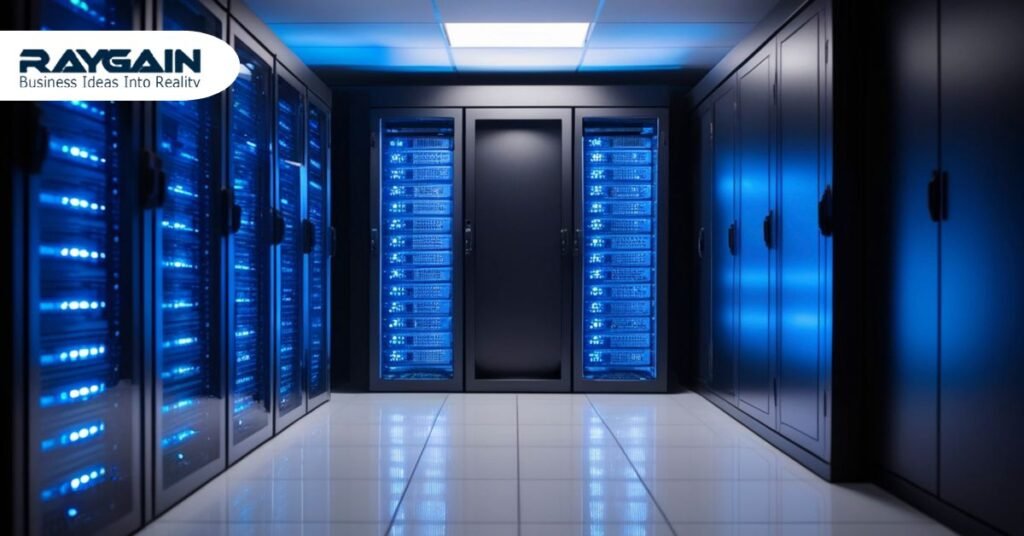
Modern enterprises are driven by digital ecosystems that require constant availability, speed, and resilience. Data centres have evolved into highly advanced environments that support large-scale computing, secure storage, and seamless connectivity. They play a critical role in enabling cloud computing services, powering applications, and maintaining business continuity across industries.________________________________________ Evolution of Data Centre Architecture From Traditional to Hyperscale Infrastructure Data centres have transitioned from basic server rooms to complex, scalable ecosystems. Modern architectures integrate virtualization, automation, and distributed computing to handle increasing workloads efficiently. Hyperscale facilities, operated by leading cloud service providers, are designed to support millions of users simultaneously. These environments allow businesses to deploy applications, process data, and manage operations in real time without infrastructure limitations. Scalability and Flexibility Today’s data centres are built with modular designs, allowing organizations to scale resources based on demand. This flexibility is essential for businesses leveraging cloud solutions, enabling them to expand operations without major infrastructure investments.________________________________________ Performance and Operational Efficiency Intelligent Resource Management Efficiency is a key focus in modern data centres. Advanced monitoring systems and AI-driven tools optimize resource allocation, ensuring that computing power is used effectively. Workloads are distributed dynamically, reducing latency and improving performance. Energy Optimization and Cooling Technologies Innovations such as liquid cooling, energy-efficient hardware, and automated power management systems help reduce energy consumption. These advancements not only lower operational costs but also enhance system reliability, especially for environments handling cloud computing services at scale.________________________________________ Security and Data Protection Framework Advanced Cybersecurity Measures Security remains a top priority for data centres. Multi-layered protection strategies, including encryption, firewalls, and real-time threat detection, safeguard sensitive data. Strong cloud network security ensures that information remains protected against evolving cyber threats. Physical and Compliance Security In addition to digital protection, data centres implement strict physical security measures such as biometric access, surveillance systems, and restricted zones. Compliance with global standards further strengthens trust, especially for industries relying on secure cloud computing security frameworks.________________________________________ Integration with Cloud and Hybrid Ecosystems Multi-Cloud and Hybrid Strategies Organizations are increasingly adopting hybrid models that combine on-premise infrastructure with multiple cloud providers. This approach offers greater flexibility, improved performance, and cost optimization. Storage and Data Accessibility Modern data centres support both enterprise-level platforms and solutions like the best cloud storage for personal use, ensuring accessibility and scalability. This integration allows businesses to manage data efficiently while maintaining high availability. Edge Computing Capabilities Edge computing enhances performance by processing data closer to the source. This reduces latency and improves real-time decision-making, especially in applications like IoT, automation, and smart systems.________________________________________ Sustainability and Green Data Centres Energy-Efficient Infrastructure Sustainability is becoming a core focus in data centre development. Organizations are adopting renewable energy sources and energy-efficient technologies to minimize environmental impact. Green Innovations Techniques such as waste heat recovery, AI-driven energy optimization, and eco-friendly cooling systems are transforming data centres into sustainable infrastructure hubs. These innovations align with global environmental goals while maintaining high performance.________________________________________ Role of Automation and Artificial Intelligence Predictive Maintenance and Monitoring Artificial intelligence enables predictive analytics, allowing data centres to identify potential issues before they occur. This ensures uninterrupted operations and reduces downtime. Automated Workload Management Automation tools dynamically allocate resources, optimize performance, and manage workloads in real time. This is crucial for maintaining efficiency in large-scale environments powered by cloud solutions and advanced computing systems.________________________________________ Future-Ready Data Centre Infrastructure Supporting Emerging Technologies Data centres are evolving to support technologies such as 5G, IoT, and advanced machine learning. These innovations require high-speed processing, low latency, and robust infrastructure. Modular and Scalable Design Future data centres will focus on modular construction, enabling rapid deployment and easy scalability. Enhanced cloud computing security will remain a priority as digital ecosystems become more interconnected.________________________________________ Strategic Importance for Modern Businesses Enabling Digital Transformation Data centres serve as the foundation for digital transformation, enabling organizations to innovate, scale, and compete effectively in a technology-driven landscape. Business Continuity and Growth By leveraging modern infrastructure and cloud computing services, businesses can ensure uninterrupted operations, improve customer experiences, and achieve long-term growth Data Centres Are the Backbone of Intelligent Digital Infrastructure The digital ecosystems of today’s businesses are dependent on having constant uptime, speed and resiliency. As such, data centres have also evolved into one of the most advanced types of buildings in our world with the purpose of providing an environment for large scale computing, secure data storage, and seamless connectivity through networks. In this way, these buildings continue to be an important part of the cloud computing ecosystem that provides business applications and maintains business continuity for many types of industries.________________________________________ Evolution of Data Centre Architecture From Standard to Hyperscale Standard or traditional data centres have gone from being simple computer/server rooms to creating complex and scalable (some that can grow infinitely) ecosystems. The way in which data centres are designed today: they now include automation, virtualization (this makes it much easier for larger workloads), and distributed computing (this is how cloud computing works) have all helped to change the architecture of this type of building for both efficiency and ease of use. Hyperscale data centres are operated by large cloud service providers and support millions of users across multiple locations at the same time. Hyperscale data centres allow an organisation to quickly deploy applications, efficiently process data, and work in real-time without concern for where the servers or storage devices are located.________________________________________ Scalability and Flexibility Today’s data centres are built with modular concepts, which allow an organisation to expand and contract their usage of various resources based on the organisation’s expected need. This type of flexibility is an added benefit to companies that use cloud services because it enables company to grow without the requirement that they make large investments in physical assets. Performance, and Operational Efficiency________________________________________ Intelligent Resource Management Today’s data centers focus heavily on Efficient Resource Management. An advanced monitoring system and AI-driven tools allow organizations to allocate their compute resources efficiently. The distribution of workloads is done dynamically, helping to reduce latency and improve performance.________________________________________ Energy
Cyber Security in the Modern Enterprise: Protecting Digital Business Infrastructure
The Expanding Cyber Threat Landscape The modern business environment operates through interconnected digital systems, cloud infrastructure, and data-driven platforms. As organizations expand their digital capabilities, the exposure to cyber threats also increases. Businesses today manage large volumes of sensitive data including financial information, operational systems, intellectual property, and customer records. This digital dependency creates opportunities for cyber attackers to target vulnerabilities within networks and applications. Advanced Threat Techniques Cyber attackers are constantly developing sophisticated methods to infiltrate organizational systems. These threats often involve ransomware attacks, phishing campaigns, malicious software, and unauthorized network access. Cyber criminals frequently exploit weak authentication systems, outdated software, and human errors within digital workflows to gain entry into secure systems. Data as a Critical Digital Asset Data has become one of the most valuable assets within modern enterprises. Customer information, internal business intelligence, financial transactions, and strategic documents are prime targets for cyber criminals. Protecting these digital assets requires organizations to implement strong cyber security solutions that monitor data movement and prevent unauthorized access. Impact on Business Operations Cyber attacks can disrupt operational processes, halt digital services, and compromise business continuity. Organizations that experience data breaches may also face regulatory penalties, financial loss, and long-term reputational damage. Maintaining secure digital infrastructure is therefore essential for operational stability and organizational credibility.________________________________________ Cyber Security as a Strategic Business Function Cyber security is now considered a strategic element of corporate governance rather than a purely technical responsibility. Business leaders increasingly recognize that digital security directly influences organizational performance, risk management, and long-term sustainability. Strengthening Digital Trust Companies that implement strong cyber security practices build trust among customers, partners, and stakeholders. Secure systems demonstrate reliability and professionalism, which encourages customers to confidently engage with digital services and platforms. Enabling Secure Digital Innovation Organizations that invest in cyber security can safely integrate emerging technologies into their business processes. Secure digital environments allow enterprises to adopt advanced software solutions, automate workflows, and expand digital services without exposing sensitive infrastructure to unnecessary risks.Security as a Competitive Advantage Businesses that prioritize cyber security gain a significant advantage in competitive markets. Secure organizations are more capable of maintaining operational continuity, protecting valuable data assets, and building long-term customer confidence.________________________________________ Technologies Strengthening Cyber Security Infrastructure Modern cyber security strategies rely on advanced technologies that provide proactive protection against emerging digital threats. These technologies combine automation, intelligent monitoring, and predictive threat detection to safeguard enterprise infrastructure. Artificial Intelligence for Threat Detection Artificial intelligence is increasingly used to monitor network activity and detect unusual patterns that may indicate potential cyber threats. AI-driven security platforms can analyze large volumes of data in real time and identify suspicious behavior before it develops into a serious cyber incident.Zero Trust Security Framework The zero trust security model operates on the principle that no user or device should automatically be trusted within a network. Every attempt to access corporate systems must be verified through strict authentication processes. This approach significantly reduces the risk of unauthorized access to sensitive digital resources.Continuous Identity Verification Continuous identity verification ensures that users, devices, and applications accessing corporate infrastructure remain authenticated throughout their activity. This layered security approach helps organizations maintain stronger control over digital access.________________________________________ Cyber Security Governance and Organizational Protection Effective cyber security requires leadership involvement and structured governance frameworks. Directors and executive teams must ensure that cyber security policies are integrated into organizational strategy and operational procedures. Security Policy Implementation Organizations must establish comprehensive security policies that define digital protection standards, operational protocols, and risk management practices. These policies guide employees and departments in maintaining secure workflows and protecting digital assets. Continuous Monitoring and Vulnerability Management Regular monitoring of digital systems helps organizations detect weaknesses in infrastructure before they are exploited by cyber attackers. Security teams perform vulnerability assessments, system audits, and network monitoring to maintain strong protection. Developing a Security-Aware Workforce Human error remains one of the most common causes of cyber incidents. Employee awareness programs and security training initiatives help staff understand cyber risks and adopt safe digital practices when handling sensitive data.________________________________________ Building a Cyber Resilient Enterprise Cyber resilience focuses on ensuring that organizations can maintain operational stability even when cyber incidents occur. Instead of relying solely on preventive measures, resilient enterprises implement systems capable of detecting, responding to, and recovering from security disruptions. Secure Infrastructure and Data Protection Strong infrastructure design includes encrypted data storage, secure network architecture, and reliable backup systems. These protective measures reduce the likelihood of data loss and enable faster recovery during cyber incidents. Incident Response and Recovery Strategies Organizations must establish clear incident response plans that allow security teams to quickly identify cyber threats, contain potential damage, and restore system functionality. Rapid response mechanisms help minimize operational disruptions and protect business continuity. Maintaining Long-Term Digital Stability Cyber resilient organizations are better equipped to manage evolving cyber threats while maintaining stable operations. Continuous improvement of security frameworks ensures long-term protection of digital assets and business processes.________________________________________ Strengthening Cyber Security for Sustainable Digital Growth As organizations continue expanding their digital infrastructure, cyber security becomes a fundamental requirement for sustainable growth. Secure systems enable enterprises to adopt advanced technologies, manage complex data environments, and support global digital operations. Businesses that prioritize cyber security build stronger relationships with customers and stakeholders. By integrating security into long-term strategic planning, organizations create a foundation for innovation, operational stability, and trusted digital services in an increasingly connected business environment.