With the modern rapidly changing manufacturing environment, companies are continually being pressured to become more efficient, less downtime consuming and of the high quality standard. It is here that the industrial automation comes in transformational position. Modern factories are moving towards intelligent, connected, and data-driven operations, with the automation SCADA systems giving place to programmable logic controllers (PLC) and the industrial IoT automation.
This blog identifies the way manufacturing is being transformed by industrial control systems, soft automation systems, and tailor made solutions, particularly to organizations that want to have dependable factory automation applications, and the services of an industrial automation consultant in USA and worldwide.
Learning about the Industrial Control Systems in the Contemporary Industry.
Automated industrial environments are based on industrial control systems (ICS). These systems check, regulate and streamline industrial operations like production lines, utilities and infrastructure operations. ICS systems usually comprise SCADA systems, PLCs, Distributed Control Systems (DCS) and Human-Machine Interfaces (HMI).
These systems are designed and incorporated by an established industrial automation firm to provide real time control, operational safety and regulatory adherence. The appropriate control architecture also provides manufacturers with the full visibility of their operations as well as the ability to react immediately to deviations in the process.
SCADA Automation Systems: Real-Time Monitors and Centralization.
Manufacturing SCADA solutions allow centralized monitoring of processes of complex industries that are distributed over a wide area. The SCADA automation systems receive real-time sensor, PLC and field data and present it via easy-to-use dashboards and alerts.
The advantages of the SCADA automation systems are:
- Process monitoring and control in real-time.
- Rapid trouble shooting and fault diagnosis.
- Better performance and lower absenteeism.
- Better decision making through historical data analysis.
The current SCADA systems are being adapted more often to cloud platforms and industrial IoT automation which lets perform remote monitoring and predictive maintenance.
Programmable Logic Controllers: The Heart of Automation.
A programmable logic controller (PLC) is a special industrial computer that is used to manage machinery and processes in a very reliable way. PLCs have a great application in manufacturing plants, owing to its soundness, flexibility and real time reaction.
A PLC automation service provider that is trusted assists businesses to select, program, and maintain PLC systems to suit purposeful business requirements. PLCs are compatible with SCADA systems, robotics and industrial networks and automate assembly lines, as well as material handling systems.
The Intelligence of Smart Factories and the Automation of Industry.
Automation in industries has ceased to be a mere machine control. As the connectivity and analytics levels improve, the factory is transforming to be a smart and independent ecosystem.
The main elements of the contemporary industrial automation are:
- Machine automation using PLC.
- SCADA and HMI integration
- Robotics and motion control
- Automation in industrial IoT to gain insights based on data.
Manufacturers can use these technologies to minimize human work, enhance uniformity, and grow operations at an efficient scale.
Industrial IoT Automation: Data, Intelligence, and Machines.
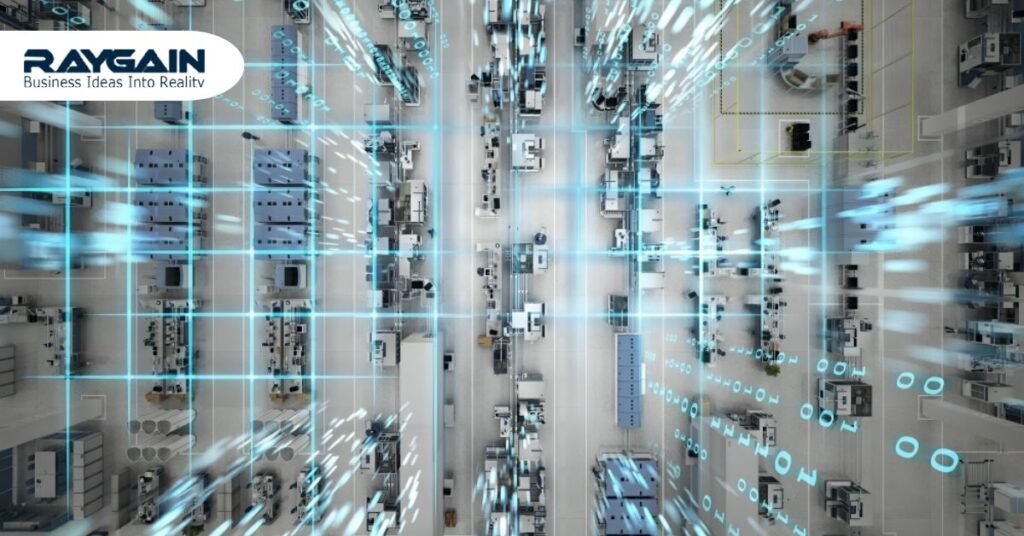
The IoT automation in the industry fills the void between real-life machines and computerized intelligence. IIoT allows real time collection of data and up to date analytics by linking sensors, controllers and machines to secure networks.
The advantages of industrial IoT automation are:
- Proactive maintenance and minimized machine breakages.
- Cost saving and energy optimization.
- Better quality management with real-time analytics.
- A Remote monitoring and diagnostics.
Combined with the SCADA and PLC systems, IIoT provides a robust base of smart manufacturing.
Competitive Advantage through Factory Automation.
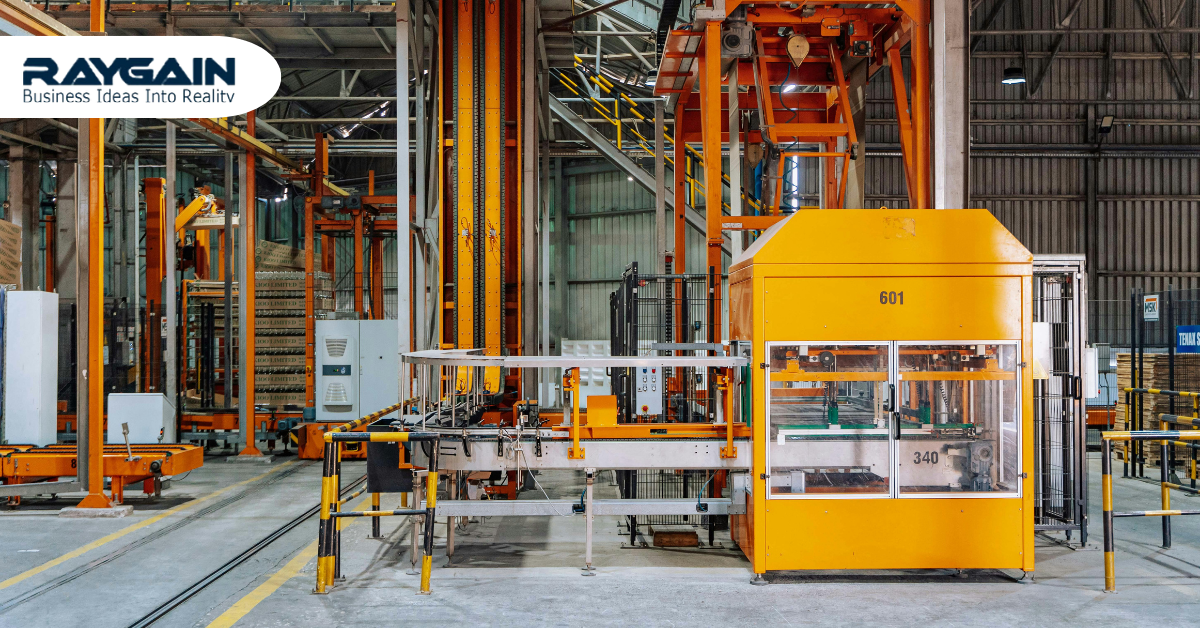
The automation-based solutions in the factory are created so that they simplify the production process and retain its flexibility and scalability. Such solutions can comprise conveyor automation, robot arms, machine vision systems, and automated inspection of quality.
A qualified industrial automation consultant in USA is someone who works hand in hand with manufacturers to review the existing processes and apply automation strategies that can be reconciled with business objectives. The outcome is increased rate of production, reduced safety and increased return on investment.
Robotic Process Automation Industrial.
Although robotic process automation (RPA) is traditionally linked with software and business procedures, it becomes increasingly common in the industrial business. RPA can also be used in manufacturing to automate data processing, reporting, stocking and production planning.
Combining RPA and industrial control systems, the companies can remove repetitive administrative duties and enable the engineering teams to concentrate on innovation and optimization.
Custom Industrial Automation: Custom Solutions.
All manufacturing plants are special and therefore tailor made industrial automation is the key to success in the long run. Ready-made solutions do not always solve, in detail, certain operational issues, legacy systems, or expansion strategies.
An effective industrial automation enterprise offers:
- Development of custom PLC and SCADA.
- Integration with the existing infrastructure.
- Custom industrial IoT.
- Scalable automation system design.
Individualized automation is a guarantee of harmonious integration, readiness to the future, and efficiency.
Selecting the Ideal Industrial Partnering.
One of the factors when it comes to the successful implementation of industrial automation is the choice of the company. Efforts by the businesses must focus on finding partners that have the experience in SCADA automation systems, PLC-programming, industrial automation through IoT and automation solutions to factories.
An experienced industrial automation consultant in the USA would provide the industry expertise, compliance skills and a proactive look at automation-to enable manufacturers remain competitive in an ever-evolving market.
Conclusion
Since SCADA automation systems and programmable logic controllers up to industrial IoT automation and custom industrial automation, intelligent control and interconnection make modern manufacturing. Investing into more sophisticated industrial control systems and collaborating with a long-established automation supplier, manufacturers can enable themselves to greater efficiency, better quality, and long-term growth.
When automation keeps developing, companies that implement intelligent, scalable, and tailored solutions will be on the edge of industrial innovation.