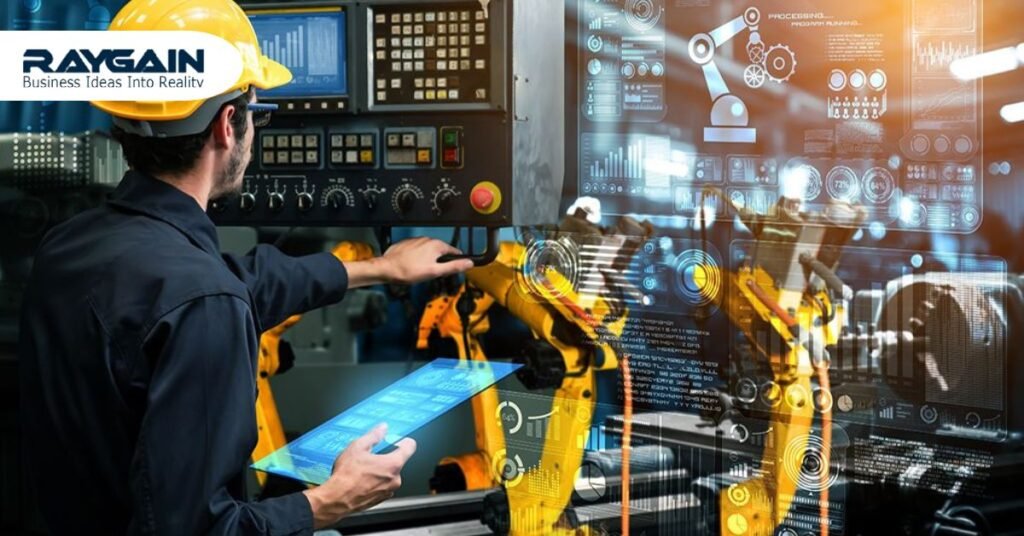
Automation of industries is not an overnight engineering improvement anymore, it is the philosophy of operation of high performance organizations. In industries, executives are re-engineering production, quality, maintenance and supply chain processes into highly interrelated, data intensive systems that react, evolve and transform at very low levels of friction.
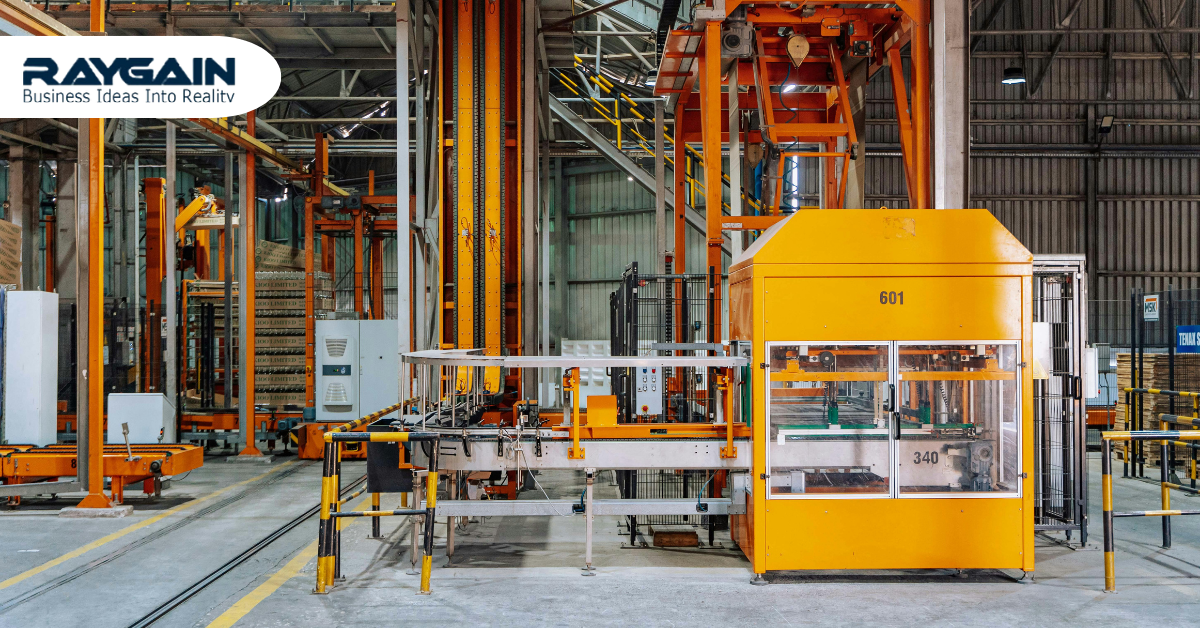
A new type of factory, warehouse, or processing plant is becoming a living eco-system, with all the machines, software and people working together in real-time. The successful automation journeys are not defined by decisions to use a particular hardware, but coordination of intelligence throughout the value chain.
Companies that have considered automation as a strategic architecture and not a collection of individual initiatives are achieving objective returns in throughput, uniformity, safety and environmental friendliness. The dynamic operations supplant the static processes.
________________________________________
Automation Competitive Operating Model
Decisions made in digitally mature organizations are based on automation in their daily processes. Sensors provide production lines with self-correction. Deviations on quality result in immediate root-cause processes. Asset behavior is used to determine maintenance schedules rather than calendar. The inventory levels are in line with demand indicators.
This model is interconnected to lower the latency between the detection of an event and corrective action. A wise industrial automation consultant can be a very important factor here- matching business goals to the reality of engineering.
Consultants do not only make KPIs like OEE, cycle time, scrap reduction, and compliance adherence in a mapping of automation results, as opposed to concentrating only on control panels or PLC logic.
________________________________________
Control systems to Cognitive Systems
The conventional automation was focused on uniformity. The current systems go to prediction and optimization:
Adaptive Control:
The machines optimize the parameter adjustments in accordance with the variability of the materials and the environmental conditions.
Predictive Maintenance:
Predictive AI forecasts the behavior of components that are likely to lead to failure and prevent business operations.
Closed-Loop Quality:
Inline vision systems and analytics eliminate defects as opposed to detecting them in the subsequent stages.
Energy Optimization:
There is load balancing and smart scheduling which minimizes peak consumption.
This development is changing the demands on an industrial automation firm. There is a growing demand among clients to have integration functions across SCADA, MES, ERP, IoT platforms, and cybersecurity frameworks.
________________________________________
Industrial Automation Manufacturers Role
The pace of innovation is increasing across the automation manufacturers in industry. Advanced diagnostics and connectivity has become the default of controllers, drives and sensors and edge devices.
Plants can be scaled using open communication protocols, modular architecture without necessarily replacing the entire system.
The manufacturers who are looking ahead are also focusing on:
• Multi-vendor environment interoperability.
• Built-in security layers
• Remote analytics and lifecycle analytics.
• Digital twin compatibility
To the end-users, this implies that automation investments are increasingly becoming future resilient.
________________________________________
International convergence, Domestic implementation
Although the pattern of adoption varies according to the region, the trend is international. The trend of industrial automation USA plans, especially in smart manufacturing, reshorcing plans, and advanced robotics, still impacts on standards, technologies, and best practices across the globe.
The Indian enterprises such as those are more and more comparing themselves with the world automation maturity models whilst customizing their solutions to local cost systems and skill systems.
________________________________________
Selecting the Right Industrial automation Service Provider
The process of choosing an industrial automation service provider has changed to be a multidimensional choice. Other than technical competence, organizations consider:• Knowledge on system integration.
• Process knowledge that is domain specific.
• Change management and training.
• After-deployment analytics services.
This is the reason why the search behavior like the one of the industrial automation companies near me does not only mean the nearness but functions as the indicator of demand to responsiveness, quick commissioning, and cooperative troubleshooting.
________________________________________
The Workforce Evolution and Automation
Automation will transform the roles, but not abolish them. Upon moving to system supervisors, operators become them. Analytics dashboards are exploited by maintenance teams. Engineers are also concerned with optimization rather than firefighting.Ongoing upskilling centers itself in the maintenance of ROI. According to organizations that have invested in automation literacy, it reports:
• Faster adoption cycles
• Lower resistance to change
• Increased inter-functional cooperation.
• Improved safety culture
________________________________________
Value Measurement Beyond Cost Rental
The actual effects of automation go beyond the labor or downtime. Strategic benefits include:• Production agility
• Consistent product quality
• Lower energy intensity
• Responsiveness to customers.
Executives are now defining automation as a resiliency policy-insulating operations against fluctuations, disruptions and demand fluctuations.
________________________________________
The Road Ahead
The convergence of industrial automation with AI and cloud systems and the future development of advanced analytics is creating autonomous networks of operation.Enterprises will start competing on the levels at which they design and govern these ecosystems in a way that is as intelligent as possible.
In their future lies the company that does not engage automation as a project, but as a developing ability – one constantly polished, quantified and adjusted to business strategy.