
The global business environment of 2026 is markedly influenced by digital transformation and intelligence. The digital transformation journey is no longer just the use of technology but rather a shift to data-led operations, automated workflows and intelligent decision making. Organizations are constantly enhancing their infrastructure to enable scalable innovation, robust operations, and seamless digital experiences.
Today’s organizations create hyper-connected ecosystems leveraging the power of cloud platforms, artificial intelligence, machine learning, advanced analytics and automation. These integrated systems help businesses process a great deal of information effectively, make operations more efficient, and respond to markets faster. As industries get more technology-driven, digital transformation is becoming the backbone of sustainable business growth.
The Emergence of Smart Digital Ecosystems.
Companies are quickly shifting to smart ecosystems where technology platforms, apps, and data systems live in an environment. Organisations are looking to create an interconnected digital infrastructure that will deliver real-time insights and ongoing operational improvements.
Organizations are spending heavily on AI analytics platforms and intelligent automation frameworks to help enhance business intelligence. This technology uses data to help predict how the organization will operate or what to do next. Thus, businesses can adapt to changing market conditions with greater speed and accuracy.
The Essence of Transformation is Data Intelligence.
The modern companies are heavily investing on Data, which is a crucial asset. The data from it enables companies to use more efficiently than ever before. By employing advanced big data analytics and machine learning models, clients can utilize raw data for strategic and operational decisions.
Organizations that use data intelligence can gain insights on market forecasting, product development and enhancing customer engagement. Dashboards update on performance indicators as real-time analytics do, and decision-makers can act on other data like predictive data models. Productivity and profitability can be enhanced usually.
Control Implementing Operating Cuts.
Automation continues to be a key component in digital transformation. Smart machinery options are now available to automate repetitive tasks, reduce mistakes, and speed up processes. RPA, AI-powered workflows and digital orchestration tools help organizations ease manual workload and establish operational efficiencies.
There is a faster product development cycle and a quicker delivery. Through implementing automation into their business processes that companies have the potential to redeploy staff to strategic and creative tasks that add more value.
Enhancing Customer Experiences in the Digital Age
The introduction of digital technologies to redefine communication channels and service models has transformed customer engagement. These days, companies look for AI based customer engagement platforms, digital marketing automation tools, and omnichannel communication systems to offer a tailored and prompt experience.
Consumers today require a seamless experience across their websites, mobile apps, and social media platforms. The organizations can track the behavior of customers, analyze patterns, and curate experiences crafted and designed for maximum brand loyalty and delight because of digital transformation.
Protection against Cyber Attacks.
As digital transformation spreads across the enterprise landscape, it becomes clearer than ever that keeping a solid cybersecurity framework is essential. Businesses are adopting advanced cybersecurity solutions, installing zero trust architecture and identity access management systems to safeguard their digital assets and sensitive information.
A robust cybersecurity architecture will help keep data intact and enable organizations to operate safely in an interconnected digital ecosystem. Companies can stay resilient against evolving cyber threats with the help of continuous monitoring systems, threat intelligence platforms, and automated security.
Industry-Wide Digital Transformation
Digital transformation is changing how businesses work in every major industry.
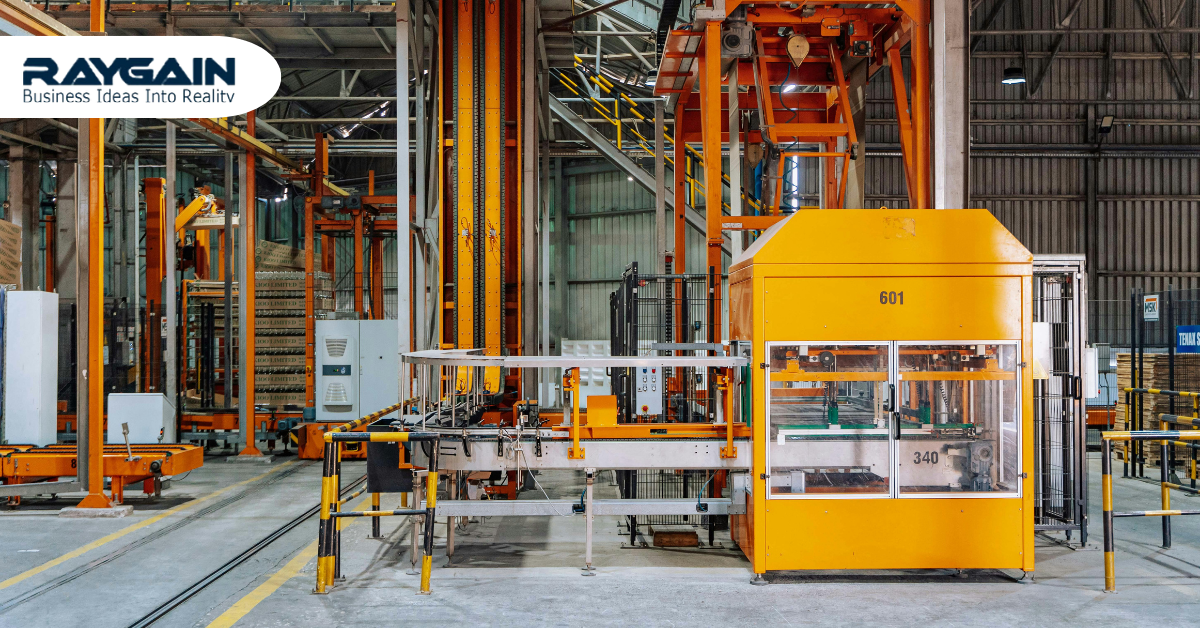
Manufacturing companies are using factory systems with IoT sensors and predictive analytics to make production more efficient.
Financial institutions are improving banking platforms and fintech solutions to provide faster and more secure financial services.
- Healthcare providers are using health platforms, telemedicine technologies and intelligent diagnostics to improve patient care.
- Retail companies are using analytics and e-commerce platforms to make customer experiences more personal and supply chain management more efficient.
These advancements show how digital transformation continues to drive innovation, efficiency and service excellence across sectors.
Digital transformation is making businesses more innovative, efficient and able to provide services.
Emerging Technologies Accelerating Innovation
The next phase of transformation is being accelerated by emerging technologies like edge computing, blockchain technology, generative artificial intelligence and advanced automation systems.
These technologies are making ecosystems better by enabling faster data processing, enhanced security and more intelligent digital services.
- Edge computing reduces latency by processing data to its source making it ideal for applications that need real-time analysis.
- Blockchain technologies make digital transactions more transparent and secure.
- Generative AI is changing content creation, customer engagement and knowledge management processes.
Digital Transformation and Sustainable Growth
Digital transformation also helps with sustainability initiatives and responsible business practices.
Intelligent monitoring systems and smart resource management platforms help organizations track energy consumption reduce waste and optimize performance.
Businesses that adopt sustainability solutions can improve efficiency while supporting global environmental goals.
Digital technologies provide accurate measurements of resource usage and offer actionable insights that support sustainable growth strategies.
The Future of Digital Enterprises
The future of business operations will be more, about digital ecosystems where data, automation and innovation work together seamlessly.
Organizations that invest in infrastructure advanced analytics and technology integration will gain significant advantages in productivity, scalability and resilience.
Digital transformation is not a change but an ongoing evolution that continuously changes how organizations operate, compete and innovate in the global economy.
Enterprises that embrace this transformation with a vision and technological adaptability will remain well-positioned to succeed in the rapidly advancing digital landscape of the coming decade.
Digital transformation will continue to reshape businesses.