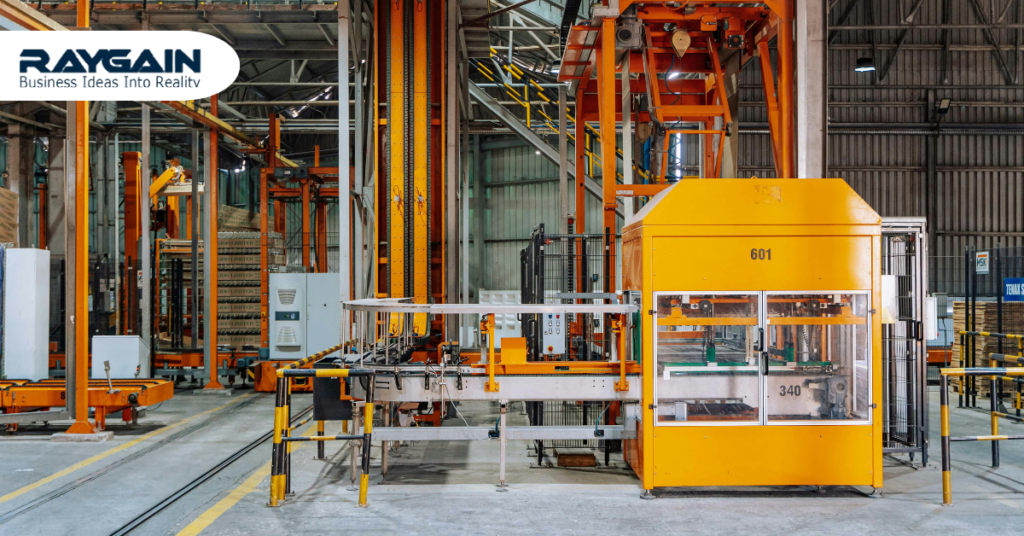
Industrial automation is redefining the future of manufacturing by enabling businesses to achieve higher productivity, operational efficiency, and precision across industrial environments. Modern factories are increasingly adopting smart automation systems that combine connected machinery, intelligent software, robotics, sensors, and real-time monitoring to create streamlined production ecosystems. As industries continue to evolve toward digital transformation, automation technologies are becoming essential for maintaining competitiveness, improving process reliability, and supporting scalable industrial growth.
The Evolution of Intelligent Industrial Systems
Manufacturing environments have shifted from conventional machine-based operations to highly integrated digital production systems. Advanced industrial automation allows machines, equipment, and production lines to communicate seamlessly through connected networks and industrial control systems. This integration enables continuous monitoring, predictive maintenance, and synchronized workflows that reduce downtime and improve operational visibility.
Industries such as automotive, pharmaceuticals, food processing, oil and gas, logistics, and electronics manufacturing are increasingly deploying automation technologies to optimize performance and maintain production consistency. Industrial automation solutions now extend beyond repetitive machine tasks and support intelligent decision-making through data-driven insights and analytics.
The rise of smart factories has accelerated the adoption of technologies including programmable logic controllers (PLC), supervisory control and data acquisition (SCADA), industrial Internet of Things (IIoT), robotics, machine vision systems, and artificial intelligence. These technologies collectively create an ecosystem where industrial operations become more adaptive, connected, and efficient.
Smart Manufacturing and Real-Time Connectivity
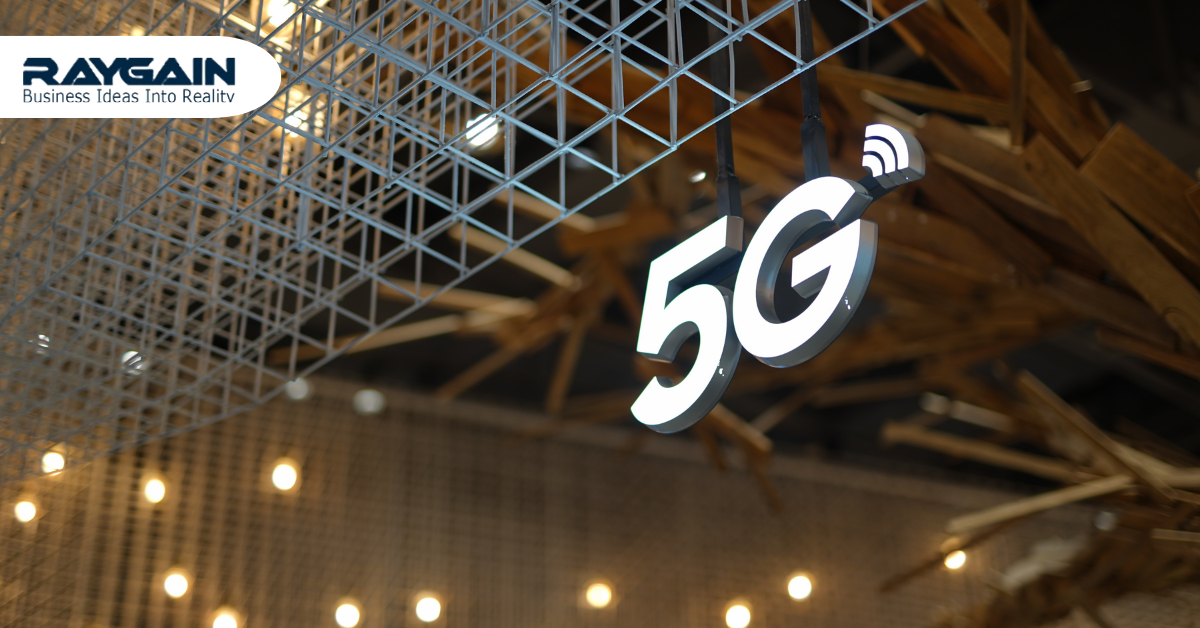
Real-time connectivity has become a critical component of industrial automation. Connected industrial systems allow businesses to monitor machine performance, track production metrics, and manage operations from centralized platforms. Industrial networks support seamless communication between devices, enabling rapid data exchange and automated responses within manufacturing environments.
Industrial IoT devices play a major role in collecting operational data from sensors, machines, and equipment. This information helps organizations analyze production efficiency, detect anomalies, and improve asset utilization. Real-time monitoring also enhances production transparency and allows faster decision-making across factory operations.
Automation systems integrated with cloud computing and edge computing technologies provide manufacturers with greater scalability and operational flexibility. These systems enable businesses to manage distributed manufacturing facilities while maintaining centralized control and data visibility.
Robotics Enhancing Production Efficiency
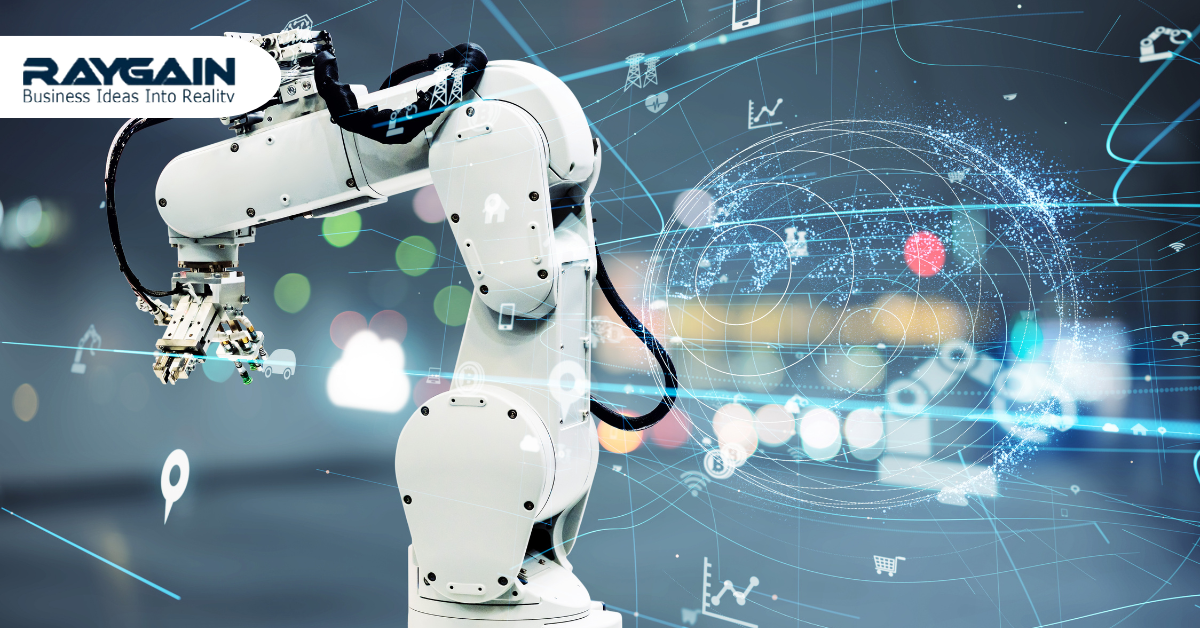
Industrial robotics continues to transform production environments by improving speed, consistency, and precision. Automated robotic systems are widely used for material handling, assembly, packaging, welding, inspection, and palletizing applications. These systems reduce manual intervention while maintaining high levels of operational accuracy.
Collaborative robots, commonly known as cobots, are becoming increasingly popular in manufacturing environments. Unlike traditional industrial robots, cobots are designed to work safely alongside human operators, supporting flexible and adaptive manufacturing processes. Their ability to handle repetitive tasks helps businesses improve workforce productivity and reduce operational fatigue.
Robotic automation also supports high-volume manufacturing while maintaining product quality standards. Advanced robotic systems integrated with machine vision technology can identify defects, monitor product alignment, and enhance quality control processes across production lines.
Industries adopting robotic automation often experience improved throughput, reduced operational costs, and optimized production cycles.
Predictive Maintenance and Operational Reliability
Predictive maintenance is becoming one of the most valuable applications of industrial automation. Modern automation systems use sensors, analytics, and machine learning algorithms to monitor equipment conditions and predict potential failures before breakdowns occur.
Traditional maintenance approaches often rely on fixed schedules or reactive repairs, which can result in unplanned downtime and increased operational costs. Predictive maintenance improves equipment reliability by enabling maintenance teams to identify performance irregularities early and address issues proactively.
Condition monitoring systems continuously analyze factors such as temperature, vibration, pressure, and energy consumption. This data-driven approach helps businesses maximize machine uptime and extend equipment lifespan.
Industrial facilities implementing predictive maintenance strategies benefit from reduced maintenance expenses, improved operational continuity, and better asset management.
Cybersecurity in Industrial Automation
As industrial systems become increasingly connected, cybersecurity has emerged as a critical priority for modern manufacturing operations. Industrial automation networks are now linked with enterprise systems, cloud platforms, and remote monitoring solutions, making secure infrastructure essential for protecting operational data and critical assets.
Industrial cybersecurity solutions help businesses safeguard automation systems from unauthorized access, data breaches, and cyber threats. Security frameworks integrated into industrial control systems provide protection across connected devices, operational technology networks, and communication protocols.
Secure industrial environments improve system reliability while supporting uninterrupted production processes. Manufacturers are increasingly investing in network segmentation, endpoint protection, secure remote access, and threat detection systems to strengthen industrial cybersecurity strategies.
The integration of cybersecurity within industrial automation ensures operational resilience and supports the long-term sustainability of connected manufacturing ecosystems.
Data-Driven Industrial Decision Making
Industrial automation generates large volumes of operational data that can be transformed into actionable business intelligence. Advanced analytics platforms help organizations evaluate production trends, monitor equipment efficiency, and optimize industrial workflows.
Artificial intelligence and machine learning technologies enhance industrial decision-making by identifying patterns, improving forecasting accuracy, and supporting process optimization. Manufacturers can use automation data to improve supply chain coordination, reduce waste, and enhance overall production performance.
Data-driven automation strategies also support sustainability initiatives by helping industries minimize energy consumption and improve resource utilization. Energy-efficient manufacturing operations contribute to cost savings while supporting environmentally responsible industrial practices.
Future Growth of Industrial Automation
The future of industrial automation continues to evolve with advancements in artificial intelligence, industrial connectivity, edge computing, and autonomous systems. Smart manufacturing environments are expected to become more adaptive, intelligent, and interconnected as industries accelerate digital transformation initiatives.
Businesses investing in industrial automation technologies are strengthening operational efficiency, production scalability, and long-term competitiveness. Automated manufacturing systems are no longer limited to large industrial enterprises, as scalable automation solutions are increasingly accessible to medium-sized industries and growing businesses.
Industrial automation remains a key driver of innovation across manufacturing sectors by enabling faster production, improved quality control, optimized operational performance, and intelligent industrial management. As connected technologies continue to advance, automation will play a central role in shaping the next generation of smart industrial ecosystems.