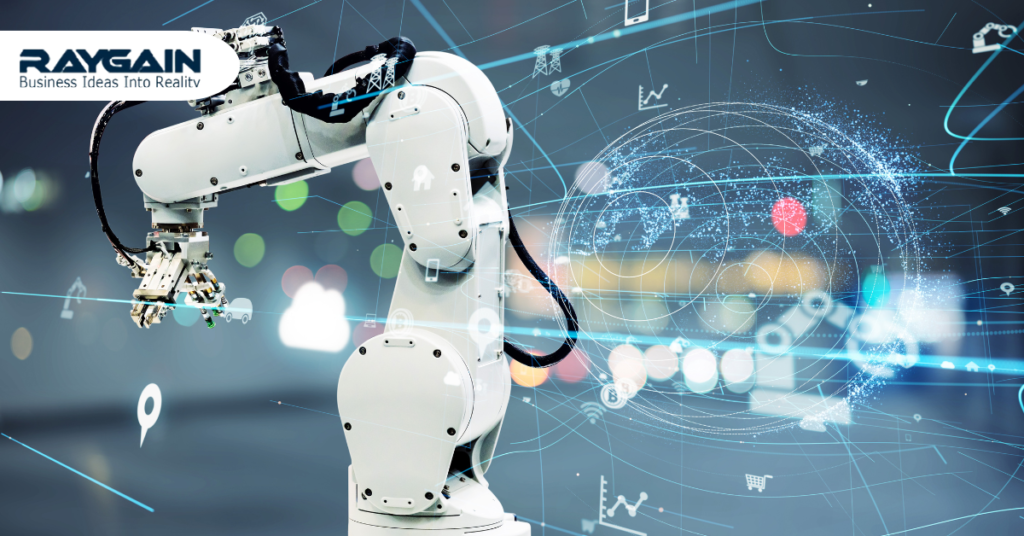
The Changing Face of Industrial Automation
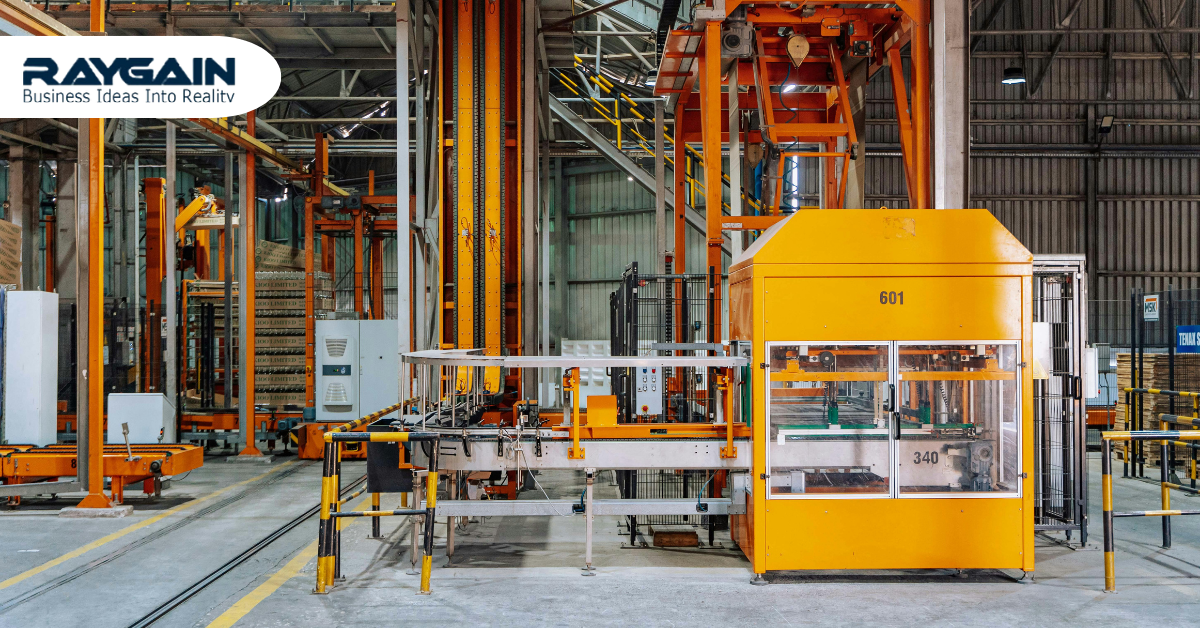
Industrial automation is a vital part of today’s industries and has changed how companies work, creating new ways of producing goods to deliver value. The evolution of industrial automation has changed from just machinery (mechanization), to a combination of advanced software, smart devices and people, to the use of intelligent systems to provide a complete solution to manage complex manufacturing processes while minimizing variance between operations (precision, consistency). This new way to automate manufacturing has given companies the ability to increase efficiency and improve the quality of their product.
Integration of Programmable Logic Controllers (PLCs), Supervisory Control and Data Acquisition Systems (SCADA) and Distributed Control Systems (DCS) are some of the recent advances in industrial automation that provide real-time control and monitoring of the manufacturing process. By being able to convert the operational data generated by an automated company into useful information, businesses can maintain effective workflow and react quickly to changing conditions in the manufacturing environment.
Industrial Automation & Usage of Data
Data is one of the major components of the strength of (industrial) automation. Industry-wide, plant/factory settings are being equipped with sensors/IOT (internet of things) that continuously gather information about the performance of equipment, or what is taking place in their environment. As a result, with access to real-time performance metrics, companies have greater ability to make informed decisions and have the ability to optimize their operations and create efficiencies.
Predicting Maintenance and Reliability
Many automated systems have adopted predictive maintenance as a major part of their capabilities. By utilizing equipment’s performance data (historical data), predicting when a piece of equipment will fail or will need repairing/replacing is now possible. Predictive maintenance enables companies to shorten their downtime through longer-term prediction of equipment needs; to maximize the lifetime of equipment; to have a more consistent level of production; and to lower the cost of maintenance through eliminating unnecessary maintenance activities.
The Use of Artificial Intelligence
Industrial automation has also enjoyed the new dimension added by artificial intelligence and machine learning technologies. This enables the system(s) to learn from experience and pattern, adjust to varying conditions, and adjust to optimize processes without having a person having to be involved in the change. An example of this would be on a production line – if multiple components are being used to make a final product and some of those components suddenly need to be changed, the production line will adjust the production parameters in accordance to how the end user requires.
Adaptive Smart Manufacturing
Through the use of artificial intelligence (AI) to manage a smart manufacturing environment, manufacturers can become more flexible and responsive to current marketplace demands. Once automated machines are set up with different configurations, they are able to switch back and forth between those different configurations to provide the least amount of delay from the time of the switch; thus allowing for maximum efficiency to be realized by the manufacturers, regardless of how quickly the marketplace may change.
Workplace Safety Improvement
Manually operated machines and robots are more successful in eliminating the hazards of the workplace than if humans were performing those tasks. Machines and robotic systems work well in extreme working environments, are capable of handling heavy products safely and are capable of performing repetitive tasks with a high level of accuracy.
Collaborative Human/Machine Working Relationship
Rather than replacing human labor, automation enhances the productivity of that labor by providing humans with the opportunity to work on strategic, analytical and creative tasks while machines and robots perform the more routine tasks. The result is greater productivity and a safer workplace.
Maximizing the Value of Automated Industrial Systems
The main advantage of industrial automation is its scalability. Automated systems give companies the ability to grow their production without requiring a larger workforce and complex infrastructure increase.
Flexibility in Growth and Expansion
Companies can easily replicate or upgrade automated systems to handle an increase in production. Because these systems are designed for scalability, businesses can respond rapidly to changing markets while continuing to operate efficiently. This scalability also allows for long-term business growth through reduced reliance on manual processes.
Increased Energy Efficiency and Sustainability
In today’s industrial world, sustainability is a key focus. Automation is designed to optimize the use of resources and minimize waste, which leads to both environmental and economic benefits.
Optimized Resource Use
Intelligent control systems keep machines operating only when needed and at optimal levels; therefore, companies are using less energy while maintaining compliance with global sustainability standards. As industries work to reduce their carbon footprints, automation will help achieve their goals.
Interconnectivity & Industry 4.0
Industry automation is a major component in the Industry 4.0 revolution and manufacturers increasingly use automated processes to achieve a seamless, interconnected, and transparent business ecosystem. Automation occurs across the entire value chain linking production, supply chain, and delivery processes.
End to End Visibility
As an integrated operating environment, this interconnected business model provides businesses complete insight into all aspects of their operations. By utilizing automated systems, manufacturers can gather data that reflects operational performance, identify inefficiencies, and make improvements to all production processes; creating a more flexible and responsive industrial system.
Customization and Modern Production
Automation now allows businesses to manufacture custom products in volume; utilizing configurable systems that allow manufacturers to create custom products without sacrificing efficiency.
Mass Customization with Automated Manufacturing
Automated manufacturing systems can easily switch between different specifications for a product on an automated manufacturing system making mass customization possible. This capability responds to an increasing demand for customized solutions in many industries and enhances consumer satisfaction and manufacturers’ competitive position.
The Human Element of Automation
Despite technology advancements, human participation and knowledge still play a vital role in industrial automation. Advanced and skilled professionals are required to create, develop, and manage automated processes.