
Introduction
Large companies use many different technologies to run their day-to-day business operations. As more businesses transition their operations to the digital world and increase their reliance on digital technologies, it is important that their technology provides for improved interoperability (automation) between their various systems and technology devices, thereby forming a single interconnected digital ecosystem, which in turn provides for increased production efficiencies and innovative business processes.
Businesses today do not operate off of separate islands of information. They are dependent on interconnectivity among enterprise applications, cloud-based computing systems, automated processes, and data exchanges in real-time. Therefore, if the proper foundation is put into place with the right tools/technologies, businesses may eliminate the silos of their business operations and harness the power of technology as an integrated whole instead of just having hardware tools/software products/tools as separate entities. As the world has grown digital, there has been significant change to the landscape of enterprise technology. There are now enterprises implementing a range of different technologies, such as cloud platforms, artificial intelligence (AI) driven analytics, Internet of Things (IoT)-enabled devices, and enterprise resource planning systems. These different technologies operate separately from one another without integration which in turn makes them operate less efficiently than they otherwise would.
The way in which modern system integration solutions connect today’s technologies is by providing a digital spine that connects everything together. Using application programming interfaces (APIs), middleware platforms, automation frameworks and data orchestration tools enable continuous communication between systems.
This transformation creates the ability for enterprises to synchronise their operations, make data-informed decisions more quickly, and create a scalable digital infrastructure.
________________________________________
What Are the Key Components of Modern System Integration Architecture?
The success of the overall strategy for integration relies on a defined architecture for integration to facilitate the seamless communication between the systems and applications executing work together.
API-Led Connectivity
An API, or application programming interface, is a digital connector that allows applications to rapidly and instantaneously share information with one another. With an API-led integration approach, organisations have the ability to integrate their internal platforms, third-party solutions and cloud-based applications while maintaining the flexibility and scalability necessary for adapting to the constantly changing landscape of technology.
Furthermore, API-led integrations allow for the more rapid deployment of digital services and will allow organisations to be more agile in responding to their ever-changing business environment.
Middleware Integration Platforms
Middleware acts as a communication barrier between various different enterprise systems. It acts as a bridge between two or more applications ensuring that information flows between them seamlessly without requiring excessive effort in modifying existing integrations or applications so that there is data transfers conducting themselves properly among the participants in each system.
Integrating Data for Insights and Decision Making
Data is crucial for operational and business intelligence decisions. Through integration frameworks, data from disparate systems and sources can be centralized into a single platform giving organizations the ability to leverage real-time analytics from one consolidated resource.
In a unified data environment, redundancy is eliminated, and data reliability is enhanced allowing organizations to operate with one source of truth.
________________________________________
System Integration Use Cases Across Industries
By utilizing system integration solutions, a company can perform many enterprise functions by creating an integrated and seamlessly functioning ecosystem of varying technologies.
Manufacturing and Industrial Automation
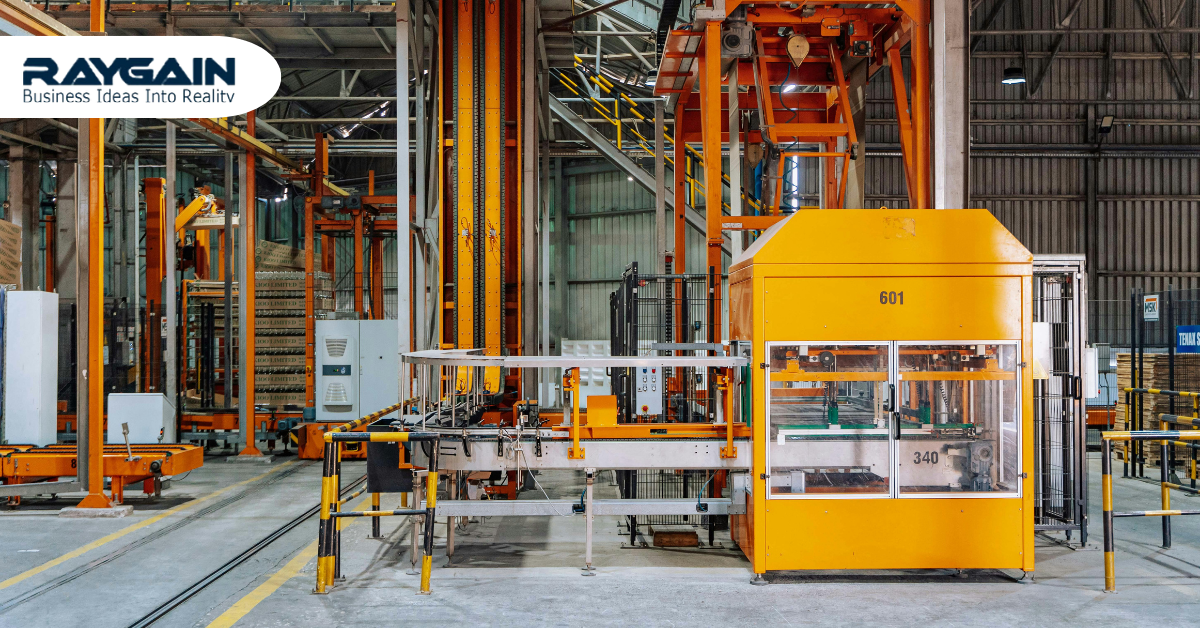
The manufacturing world consists of machines, sensors, production software systems, and supply chain components. System Integration connects these components to provide a synchronized production environment.
When integrating industrial systems, manufacturers can monitor equipment performance, automate production workflow and manage their supply chain via real-time data visibility.
Smart Infrastructure and Utilities
Energy Suppliers, Utilities, and Infrastructure Operators rely on an integrated technology network to operate on a large scale. By integrating their system components, they are able to create a seamless flow of communication between their monitoring systems, analytics software, and operational control centers.
This connectivity enables organizations to anticipate and avoid equipment failure, increase operational efficiency and ensure service continuity.
Enterprise Digital Workflows
Enterprise organizations have a large number of business application systems they utilize on a day-to-day basis, examples include Human Resource, Customer Relationship Management, Finance, and Communications systems.
Healthcare Technology Ecosystems
Healthcare organizations utilize a wide array of digital solutions, such as patient management tools, diagnostic imaging tools, and telemedicine tools. Data exchange between these systems is integrated to support security and safety.
Connecting these systems improves how hospitals provide care for patients, reduces many complex and time-consuming administrative tasks, provides real-time access to accurate patient data for providers, and gives physicians with immediate access to actionable data.
________________________________________
Strategic Advantages of Systems Integration
Organizations that have implemented systems integration solutions typically have experienced increased operational efficiencies, improved productivity, and greater agility in their use of digital technologies.
Operational Efficiency
Integrated systems do away with redundant steps and manual data entry processes. These systems can automate many of the workflows associated with the delivery of care which boosts productivity, minimizes the chance of making mistakes at work, and optimizes both resources and processes.
Decision Intelligence: Real-Time
Through the provision of a single digital environment, all data from multiple sources and/or systems is instantly available to those who make decisions. As a result, decision-makers are able to react quickly to operational variables due to their real-time access to data.
Scalability for Digital Growth
With any organization increasing their digital infrastructure, the ability to connect new applications and platforms to their existing systems is made simpler with the use of integrated systems. There is no disruption to the business operations during this integration process.
Elevated Customer Experience
Using systems integration allows businesses to unify their customer data across different platforms into a single central location/ database. By having all customer data available in one location/ database, businesses can provide customers with personalized services, increase their speed of service delivery, and improve the way they connect with their customers.
________________________________________
Strategies for Integrating Digital Transformation in Future Enterprises
To implement digital transformation effectively, organizations must develop scalable integration strategies that allow them the flexibility needed to continue growing their technology for the long term.
The adoption of cloud-based integration platforms (such as integration platform-as-a-service), intelligent automation frameworks, and artificial intelligence (AI) powered data orchestration tools is the focus of today’s approaches to modern day systems integration.
More companies are using hybrid integration architecture that links cloud applications and services with on-premises applications and systems. Hybrid integration architecture provides the ability to maintain an enterprise’s operational continuity while providing the flexibility to adopt new technologies.
Event-driven integration models (i.e., integration that is triggered by a specific event) will provide an organization with the ability to rapidly respond to events as they occur in the operational environment, resulting in a more agile and responsive digital environment.
________________________________________
The Role of System Integration in Digital Transformation
System integration is important to successfully achieve digital transformation initiatives by connecting people, processes, and technologies through technology, process and system integration. The fundamental point of system integration is to provide the functionality necessary to establish the digital ecosystem that will be established by a company.
Through the use of integrated technology environments, organizations will be able to streamline their business operations, realize the value of data and information, and accelerate innovation across multiple departments within their organization.
As organizations move to more advanced technologies including AI, IoT platforms and automation frameworks, system integration solutions will continue to be an essential part of any organization’s digital infrastructure.