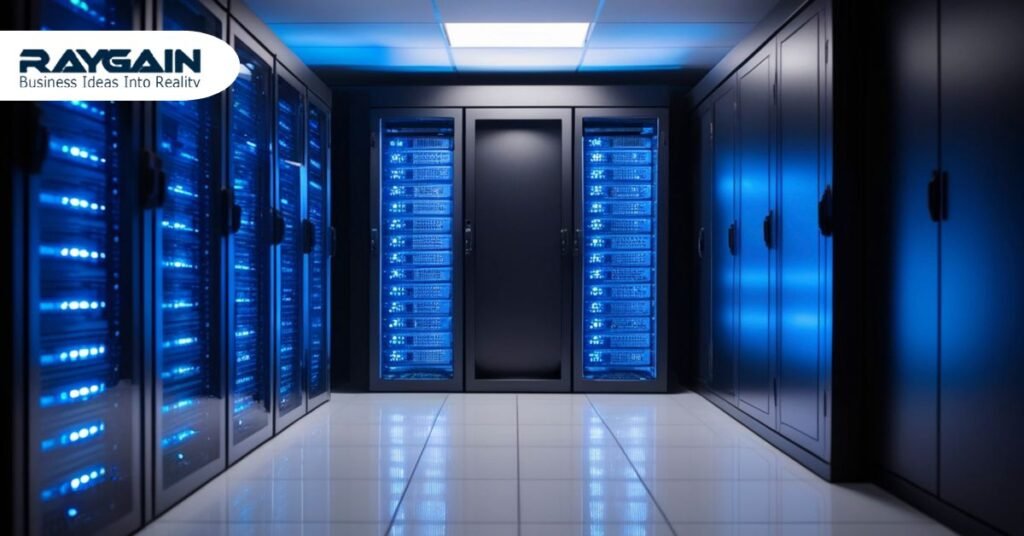
Modern enterprises are driven by digital ecosystems that require constant availability, speed, and resilience. Data centres have evolved into highly advanced environments that support large-scale computing, secure storage, and seamless connectivity. They play a critical role in enabling cloud computing services, powering applications, and maintaining business continuity across industries.
________________________________________
Evolution of Data Centre Architecture
From Traditional to Hyperscale Infrastructure
Data centres have transitioned from basic server rooms to complex, scalable ecosystems. Modern architectures integrate virtualization, automation, and distributed computing to handle increasing workloads efficiently.
Hyperscale facilities, operated by leading cloud service providers, are designed to support millions of users simultaneously. These environments allow businesses to deploy applications, process data, and manage operations in real time without infrastructure limitations.
Scalability and Flexibility
Today’s data centres are built with modular designs, allowing organizations to scale resources based on demand. This flexibility is essential for businesses leveraging cloud solutions, enabling them to expand operations without major infrastructure investments.
________________________________________
Performance and Operational Efficiency
Intelligent Resource Management
Efficiency is a key focus in modern data centres. Advanced monitoring systems and AI-driven tools optimize resource allocation, ensuring that computing power is used effectively. Workloads are distributed dynamically, reducing latency and improving performance.
Energy Optimization and Cooling Technologies
Innovations such as liquid cooling, energy-efficient hardware, and automated power management systems help reduce energy consumption. These advancements not only lower operational costs but also enhance system reliability, especially for environments handling cloud computing services at scale.
________________________________________
Security and Data Protection Framework
Advanced Cybersecurity Measures
Security remains a top priority for data centres. Multi-layered protection strategies, including encryption, firewalls, and real-time threat detection, safeguard sensitive data. Strong cloud network security ensures that information remains protected against evolving cyber threats.
Physical and Compliance Security
In addition to digital protection, data centres implement strict physical security measures such as biometric access, surveillance systems, and restricted zones. Compliance with global standards further strengthens trust, especially for industries relying on secure cloud computing security frameworks.
________________________________________
Integration with Cloud and Hybrid Ecosystems
Multi-Cloud and Hybrid Strategies
Organizations are increasingly adopting hybrid models that combine on-premise infrastructure with multiple cloud providers. This approach offers greater flexibility, improved performance, and cost optimization.
Storage and Data Accessibility
Modern data centres support both enterprise-level platforms and solutions like the best cloud storage for personal use, ensuring accessibility and scalability. This integration allows businesses to manage data efficiently while maintaining high availability.
Edge Computing Capabilities
Edge computing enhances performance by processing data closer to the source. This reduces latency and improves real-time decision-making, especially in applications like IoT, automation, and smart systems.
________________________________________
Sustainability and Green Data Centres
Energy-Efficient Infrastructure
Sustainability is becoming a core focus in data centre development. Organizations are adopting renewable energy sources and energy-efficient technologies to minimize environmental impact.
Green Innovations
Techniques such as waste heat recovery, AI-driven energy optimization, and eco-friendly cooling systems are transforming data centres into sustainable infrastructure hubs. These innovations align with global environmental goals while maintaining high performance.
________________________________________
Role of Automation and Artificial Intelligence
Predictive Maintenance and Monitoring
Artificial intelligence enables predictive analytics, allowing data centres to identify potential issues before they occur. This ensures uninterrupted operations and reduces downtime.
Automated Workload Management
Automation tools dynamically allocate resources, optimize performance, and manage workloads in real time. This is crucial for maintaining efficiency in large-scale environments powered by cloud solutions and advanced computing systems.
________________________________________
Future-Ready Data Centre Infrastructure
Supporting Emerging Technologies
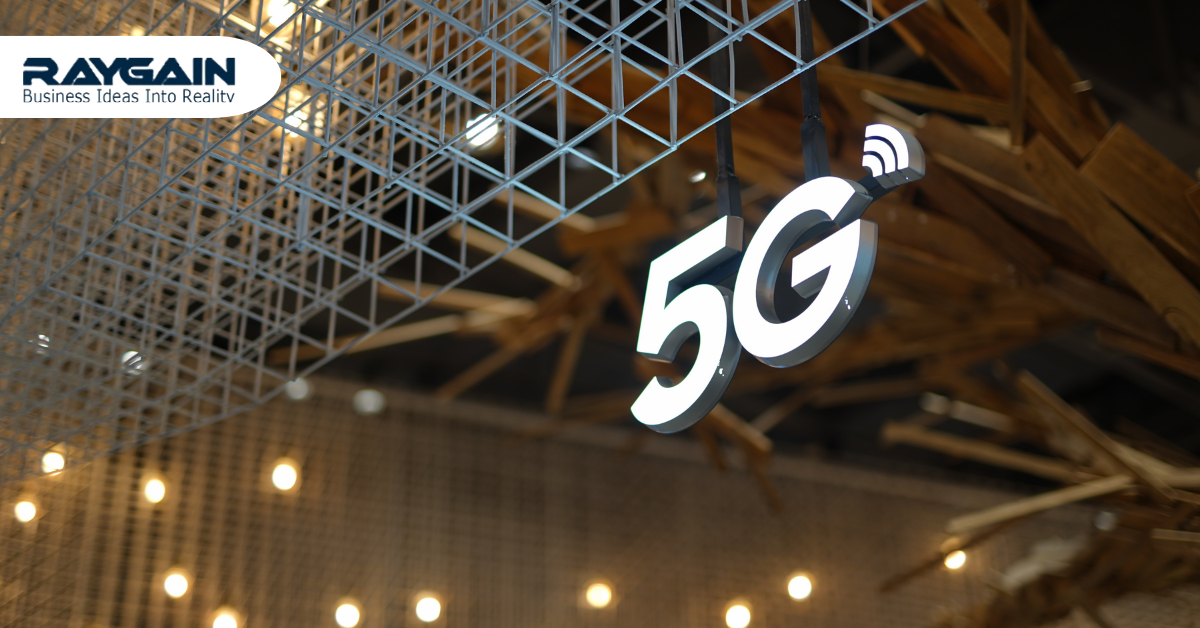
Data centres are evolving to support technologies such as 5G, IoT, and advanced machine learning. These innovations require high-speed processing, low latency, and robust infrastructure.
Modular and Scalable Design
Future data centres will focus on modular construction, enabling rapid deployment and easy scalability. Enhanced cloud computing security will remain a priority as digital ecosystems become more interconnected.
________________________________________
Strategic Importance for Modern Businesses
Enabling Digital Transformation
Data centres serve as the foundation for digital transformation, enabling organizations to innovate, scale, and compete effectively in a technology-driven landscape.
Business Continuity and Growth
By leveraging modern infrastructure and cloud computing services, businesses can ensure uninterrupted operations, improve customer experiences, and achieve long-term growth
Data Centres Are the Backbone of Intelligent Digital Infrastructure
The digital ecosystems of today’s businesses are dependent on having constant uptime, speed and resiliency. As such, data centres have also evolved into one of the most advanced types of buildings in our world with the purpose of providing an environment for large scale computing, secure data storage, and seamless connectivity through networks. In this way, these buildings continue to be an important part of the cloud computing ecosystem that provides business applications and maintains business continuity for many types of industries.
________________________________________
Evolution of Data Centre Architecture
From Standard to Hyperscale
Standard or traditional data centres have gone from being simple computer/server rooms to creating complex and scalable (some that can grow infinitely) ecosystems. The way in which data centres are designed today: they now include automation, virtualization (this makes it much easier for larger workloads), and distributed computing (this is how cloud computing works) have all helped to change the architecture of this type of building for both efficiency and ease of use.
Hyperscale data centres are operated by large cloud service providers and support millions of users across multiple locations at the same time. Hyperscale data centres allow an organisation to quickly deploy applications, efficiently process data, and work in real-time without concern for where the servers or storage devices are located.
________________________________________
Scalability and Flexibility
Today’s data centres are built with modular concepts, which allow an organisation to expand and contract their usage of various resources based on the organisation’s expected need. This type of flexibility is an added benefit to companies that use cloud services because it enables company to grow without the requirement that they make large investments in physical assets. Performance, and Operational Efficiency
________________________________________
Intelligent Resource Management
Today’s data centers focus heavily on Efficient Resource Management. An advanced monitoring system and AI-driven tools allow organizations to allocate their compute resources efficiently. The distribution of workloads is done dynamically, helping to reduce latency and improve performance.
________________________________________
Energy Optimization and Cooling Technologies
Technological innovations, including liquid cooling, energy-efficient hardware, and automated power management systems, are aiding organizations in reducing energy consumption. These improvements are not only reducing operational costs; they also improve system reliability, particularly in environments where cloud computing is being widely used.
________________________________________
Security and Protection of Data
Advanced Cybersecurity Solutions
Security continues to be a priority within data centers. Multi-layered security protection, including encryption, firewalls, and real-time threat detection, protects sensitive information. Strong security measures for cloud networks also protect data from the ever-changing landscape of cyber threats.
________________________________________
Physical Security and Compliance
In addition to protecting digital assets, data centers have strict (physical) security policies, including, but not limited to, biometric access, surveillance and monitoring systems, and restricted physical zones (access). Compliance with global security standards helps increase trust, particularly in industries that rely on secure cloud computing security frameworks.
________________________________________
Integration Between Cloud & Hybrid Environments
Hybrid Cloud & Multi-Cloud Strategies
Hybrid cloud strategies incorporating on-premise IT infrastructure and multiple cloud providers continue to increase for organizations as they provide greater flexibility, better performing applications and lower operational costs.
________________________________________
Data Accessibility & Storage
Enterprise-scale application solutions available from today’s data centers enable the same accessibility and scalability as personal cloud storage applications, ensuring organizations can store and access all types of data together. Businesses use the integration of these methods of storing and accessing data to successfully maintain high levels of business continuity.
________________________________________
Extending Capabilities With Edge Computing
Edge computing offers enhanced performance by allowing businesses to process data close to the point of origin, which provides lower latency and an ability to make better real-time decisions when processing information for applications such as IoT-enabled devices, automated technologies, and automated systems.
________________________________________
Sustainability & Green Data Centres
Energy-Efficient Infrastructure
Sustainability is a primary concern when designing new data centres. Companies are using renewable energy and energy-efficient technology to reduce their carbon footprint.
________________________________________
Green Innovations
Green innovative practices including waste heat reuse, AI-enabled energy management technologies, and environmentally friendly cooling technologies enable businesses to transform data centres into green operational hubs to fulfill the goals of the worldwide green movement and produce high performing data centres. The Role of Automation and A.I.
________________________________________
Predictive Analysis and Maintenance
A.I. will provide predictive analysis to Data Centers to detect faults before they happen, ensuring that the Data Center operates continuously and allows for less downtime.
________________________________________
Dynamically Managed Workloads
Through automation, workloads can be dynamically managed by allocating resources correctly, maximizing performance, and managing workloads in real-time. This is especially critical to ensure that large users of cloud services or advanced computing systems remain efficient.
________________________________________
Infrastructure for Future Ready Data Centers
Emerging Technologies
The Evolution of Data Centers in this space is due to the emergence of 5G, the IoT, and new and innovative ways of using machine learning. Each of these technologies will require extremely fast processing, minimal latency and a solid infrastructure.
________________________________________
Modular and Scalable Data Center Design.
The new concept of Data Centers will focus on a modular basis of construction that will make it easy to deploy and scale quickly. The continued demand for a more secure cloud computing infrastructure will be essential as digital ecosystems continue to be more connected. Modern business must have a focus on the strategic importance of digital transformation – to enhance their innovation, scale, and competitive advantages using the enabling technology services provided by their data centres.
________________________________________
The ability to leverage both modern cloud-based infrastructure and services allow for better continuity of business operations, enhanced customer experience, and long-term sustainable business growth.