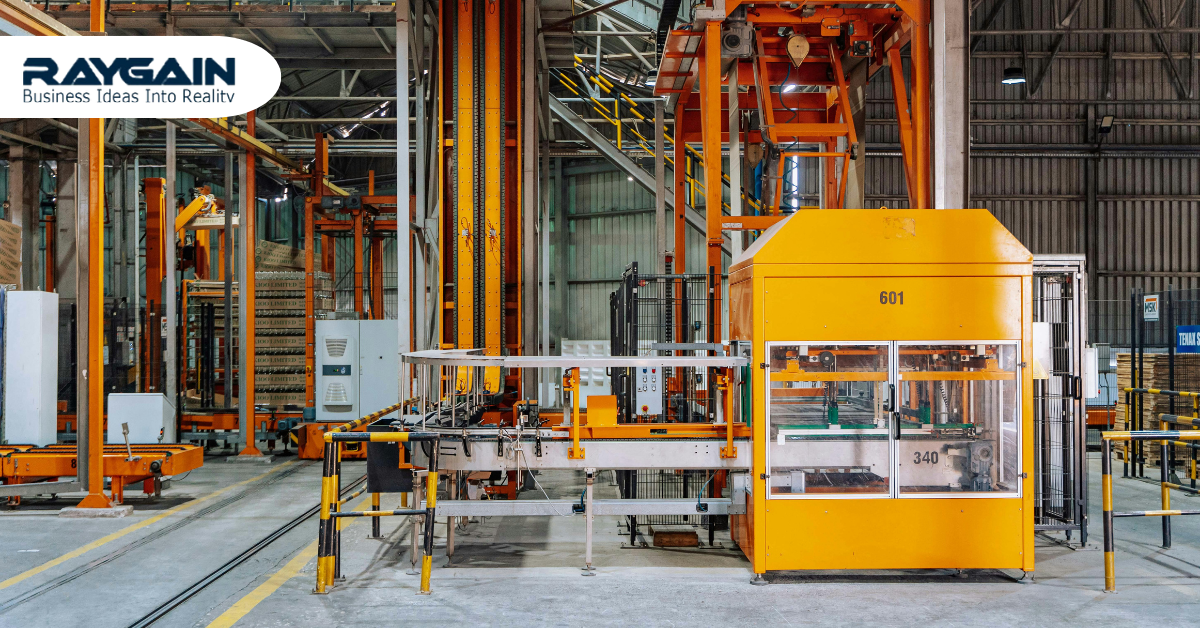
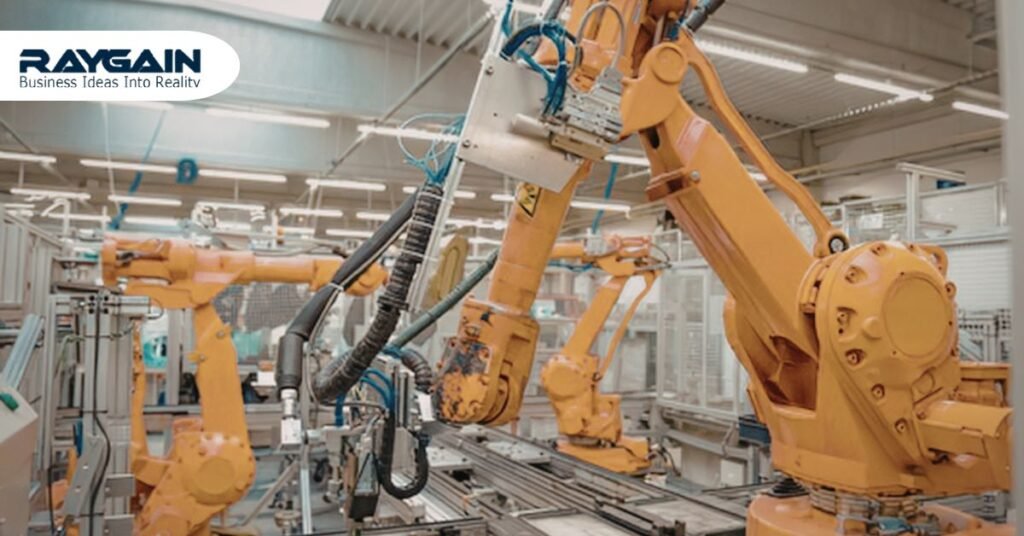
Industrial automation has become one of the most transformative forces shaping modern manufacturing and production environments. Across industries such as automotive, electronics, pharmaceuticals, and food processing, organizations are integrating automated systems to improve efficiency, accuracy, and scalability. As global competition intensifies and production demands continue to grow, automation technologies are redefining how factories operate and how businesses maintain productivity in increasingly complex environments.
Modern industrial facilities are no longer dependent solely on manual processes. Instead, they are supported by intelligent machines, interconnected systems, and advanced digital technologies that allow production to operate continuously with high precision. This transformation is enabling industries to maintain consistent quality standards while handling large-scale production requirements.
The Evolution of Industrial Production Systems
Industrial production has progressed significantly from traditional mechanical systems to sophisticated digital environments. Early automation focused primarily on replacing repetitive manual tasks with mechanical equipment. However, modern automation integrates computing systems, sensors, robotics, and advanced control mechanisms that work together to create intelligent production environments.
Manufacturing plants today operate through complex automation architectures where machines communicate with each other through digital networks. These networks allow continuous monitoring of production processes and enable real-time decision-making. By connecting production equipment with intelligent software platforms, industries can maintain better control over operational performance and respond quickly to changing production conditions.
Integration of Sensors and Control Systems
Sensors play a critical role in automated industrial systems by collecting operational data from machines and production lines. These sensors measure variables such as temperature, pressure, vibration, and movement. The data gathered from these sensors is transmitted to centralized control systems that analyze performance patterns and ensure machines operate within optimal parameters.
Programmable logic controllers and distributed control systems form the backbone of automation infrastructure. These systems regulate machine operations, coordinate production activities, and maintain consistency across the manufacturing process. By processing real-time data, control systems enable industries to maintain high levels of efficiency and minimize operational disruptions.
Robotics and Smart Manufacturing
Robotic technology has become a fundamental component of industrial automation. Modern robots are capable of performing complex tasks with exceptional precision and reliability. In many manufacturing environments, robots are responsible for assembly, welding, packaging, painting, and material handling operations.
Unlike traditional robotic systems that performed fixed repetitive tasks, modern robots are equipped with machine vision systems and artificial intelligence capabilities. These advancements allow robots to detect objects, adjust movements, and collaborate with human workers in shared workspaces. Collaborative robots, often referred to as cobots, enhance productivity while maintaining safe interactions with operators.
Precision and Consistency in Production
One of the major advantages of robotics in industrial environments is the ability to maintain consistent product quality. Robots can perform the same task thousands of times with minimal variation, reducing the likelihood of defects in manufacturing processes. This level of consistency is particularly valuable in industries where precision and reliability are essential.
Additionally, robotic systems can operate continuously without fatigue, allowing production facilities to maintain high output levels while reducing downtime. This capability helps organizations meet increasing market demand without compromising operational efficiency.
Data-Driven Industrial Intelligence
Industrial automation systems generate large volumes of operational data that provide valuable insights into production performance. Advanced analytics platforms analyze this data to identify inefficiencies, predict maintenance needs, and optimize workflow processes.
Through data analysis, plant managers can gain a deeper understanding of machine performance, production trends, and operational bottlenecks. This information allows industries to make strategic adjustments that improve productivity and reduce unnecessary resource consumption.
Predictive Maintenance Strategies
Predictive maintenance has become one of the most valuable outcomes of data-driven automation. Instead of waiting for equipment failures, predictive systems monitor machine conditions continuously and detect early warning signs of potential issues. Factors such as abnormal vibration patterns, temperature fluctuations, or performance irregularities can indicate that maintenance is required.
By addressing these issues before they escalate into equipment breakdowns, companies can significantly reduce production interruptions and extend the lifespan of critical machinery.
Energy Efficiency and Sustainable Operations
Energy consumption is a major operational factor in industrial production. Automated systems are increasingly designed to monitor and optimize energy usage throughout manufacturing facilities. Intelligent energy management systems analyze power consumption patterns and adjust machine operations to maintain optimal efficiency.
For example, automated systems can reduce power usage during idle production periods or regulate machine speeds to match operational demand. These adjustments contribute to both cost savings and environmental sustainability, helping industries align with global energy efficiency initiatives.
Smart Energy Monitoring
Advanced monitoring systems provide real-time visibility into energy consumption across production facilities. Managers can identify areas where energy usage is unusually high and implement corrective measures to improve efficiency. Over time, these optimizations help organizations reduce operational expenses while maintaining production performance.
The Expanding Role of Cloud and Connectivity
Cloud computing platforms are increasingly integrated with industrial automation systems, enabling centralized monitoring and management of production operations. Through cloud connectivity, organizations can oversee multiple production sites from a unified digital platform.
This centralized visibility allows companies to compare operational performance across facilities, standardize production strategies, and quickly identify potential issues. Cloud-based automation platforms also enable remote diagnostics and system updates, improving the responsiveness of industrial operations.
Industrial Connectivity and Digital Ecosystems
The rise of connected industrial environments is creating digital ecosystems where machines, sensors, and control systems operate in synchronized networks. This interconnected infrastructure enhances operational transparency and allows companies to maintain better coordination between production units, supply chains, and logistics systems.
By linking automation systems with digital supply chain platforms, organizations gain the ability to align manufacturing output with real-time market demand.
Workforce Transformation in Automated Industries
Industrial automation is also transforming the role of the workforce within manufacturing environments. Rather than eliminating human involvement, automation shifts responsibilities toward technical supervision, system monitoring, and data analysis.
Employees are increasingly engaged in programming automated systems, analyzing operational metrics, and maintaining advanced equipment. As automation technologies continue to evolve, industries are investing in workforce training programs that equip employees with specialized technical skills.
Collaboration Between Humans and Machines
The most successful automated environments combine human expertise with machine precision. While automated systems handle repetitive and high-speed tasks, human operators focus on strategic decision-making, innovation, and system optimization. This collaborative approach ensures that automation technologies enhance productivity while maintaining human oversight and creativity.
The Future of Industrial Automation
Industrial automation continues to evolve as emerging technologies such as artificial intelligence, edge computing, and autonomous robotics become more advanced. These innovations will further enhance the intelligence and adaptability of automated systems.
Future manufacturing environments are expected to become highly flexible, capable of adjusting production processes quickly in response to changing market requirements. Automated factories will increasingly rely on intelligent decision-making systems that optimize production efficiency while maintaining high standards of quality and safety.
As industries continue to embrace digital transformation, industrial automation will remain a foundational element of modern production strategies. Organizations that successfully implement automation technologies will be better positioned to compete in an increasingly technology-driven global marketplace.