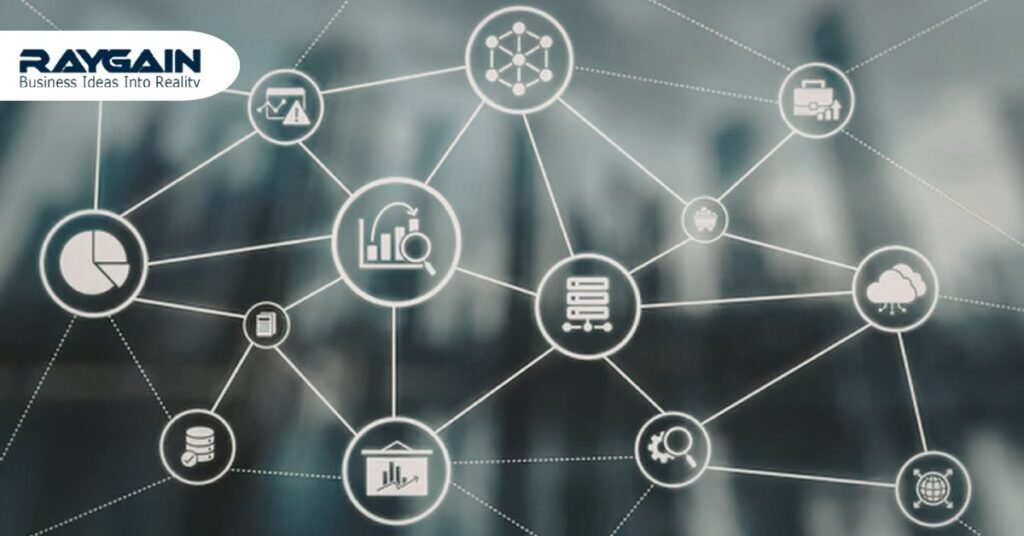
The digital age has given rise to a unique challenge for organizations: integrating various technologies, applications, and platforms in a manner that allows them all to work together as one coherent system. Businesses now utilize a wide range of systems including customer relationship management (CRM) tools, Enterprise Resource Planning (ERP) systems, cloud computing, analytics platforms and communications systems simultaneously. When these systems operate independently and create standalone silos of information (referred to as an “integrated technology ecosystem”), productivity decreases and data becomes fragmented, thus hindering overall performance. Utilizing System Integration for the purpose of establishing a unified technology infrastructure provides organizations with the means to facilitate interactions between applications, allowing for greater access to real-time data, and synchronize key operational functions and processes.
The traditional role of System Integration in modern enterprises has transitioned from being focused solely on supporting Information Technology (IT) infrastructure management to becoming an integral part of an organization’s strategy. Today’s organizations are leveraging System Integration as a strategic enabler of accelerating innovation, improving operational transparency, and enhancing decision-making processes. The implementation of an integrated technology ecosystem is often associated with increased levels of efficiency, improved data governance, and enhanced operational workflows within an organization.
The Increasing Importance of Integrated Technology Infrastructure
The digital transformation has created an influx of software platforms to support businesses in their daily operations. In order to be competitive, companies are utilizing cloud computing services, artificial intelligence tools, automation systems and advanced analytical tools. While each of these technologies delivers great value as standalone entities, they provide maximum benefit when interconnected through a well-designed enterprise system integration (ESI) framework.
Inefficient operational processes are often caused by poorly connected systems. For example, data duplication, conflicting reports, delayed communication between departments and manual movement of data all hinder business performance. By using middleware and API-based integration, organizations can develop integrated environments in which data can flow freely between all platform components in real-time.
Through a single integrated environment, organizations can have consolidated customer profile data, financial records and operational performance metrics, all presented together on one dashboard. This single point of view makes it easier for managers to see the various performance indicators, spot emerging trends, and react more quickly to changes in the marketplace. As organizations continue to expand their digital capabilities, integration of their systems will be critical to maintaining operational alignment.
The major components of an effective system integration strategy
For system integration to work successfully, a structured architecture is necessary to connect different technologies while preserving business continuity. A number of critical components are part of the modern integration framework to provide seamless interoperability between different platforms.
API-Based Integration
The use of Application Programming Interfaces (APIs) allows different software systems to communicate with each other in a secure and efficient manner. APIs are responsible for the real-time transfer of data between different applications such as Customer Relationship Management (CRM) systems and customer support tools as well as payment gateways and analytics systems. The majority of organizations implement an API-driven approach to system integration due to their ability to provide a scalable means of connectivity as well as support for a flexible technology environment.
Middleware and Integration Platforms
Middleware technologies serve as a bridge between multiple applications so that they can communicate with each other even if they have been created using two different technologies or programming languages. Integration platforms, or Integration Platform as a Service (iPaaS), help manage complex integration workflows through managing data transformation, managing routing of data, and performing system orchestration.
Data Synchronization and Management
A key benefit of system integration is that data is consistently available across all applications. Data synchronization mechanisms ensure that an update in one application is automatically forwarded to all connected applications. This mitigates the need for manual data reconciliation and increases the overall accuracy of information throughout all departments.
The Benefits of Integrating Business Systems
Integrating systems across businesses is critical to enhancing an organization’s operational effectiveness and agility. Organizations that invest in integrated technology infrastructures regularly achieve quantifiable improvements in efficiency, quality of communication amongst employees and customers, and customer satisfaction.
By automating the time-consuming, manual processes found in organizations where there are many different types of software being used in silos, organizations benefit from improved productivity and efficiency. For example, once a sales transaction enters a customer relationship management (CRM) system, the information automatically populates inventory systems, accounts receivable systems, and reporting systems; therefore, employees do not have to perform redundant data entry that has the potential to create different information in different departments.
Another benefit of integrating systems to enhance the customer experience by allowing organizations to produce individualized products and services. For instance, customer service staff are connected to the organization’s order management system and can quickly access each customer’s order history; therefore, they are able to fulfill customer requests in a timely manner. Likewise, when marketing employees utilize integrated analytic systems, they can receive more detailed information on how customers interact with their products and services, enabling them to create better marketing campaigns.
Integrating business systems provides improved compliance and reporting efficiencies. By combining the financial reports, transaction data, and operational data into one centralized source of reporting, businesses can enhance their ability to comply with regulatory reporting and provide the data to support such compliance accurately and transparently.
New Trends to Watch in System Integration Technology
While technology ecosystems are constantly changing, the strategy for interoperating systems continues evolving. Below are just a few of the many new trends that are likely to shape the future of enterprise level system integration.
Integration platforms based on cloud computing are growing in popularity. These solutions provide organizations with the ability to connect their Cloud Applications with their On-Premise Systems without the need to manage complex infrastructures.
Adoption of hybrid integration architectures is on the rise. Hybrid integration architectures provide organizations with the ability to maintain older technologies while using modern digital platforms to interoperate with them.
Artificial Intelligence (AI) is becoming more influential in the area of system integration as well. An example of this trend is the use of AI-driven monitoring systems that can detect failures in integration and identify bottlenecks in a system, as well as automatically optimizing workflows in real time.
Event driven architectures have also begun to increase responsiveness of systems. With an event driven architecture, applications can respond in real-time to changes occurring within the data being processed.
Another important trend to watch for in this area is the increasing use of “low-code” or “no-code” integration systems. Low-code/no-code systems provide businesses with the ability to create workflow integrations without requiring individuals who have extensive programming experience, thus accelerating the successful execution of Digital Transformation initiatives across the enterprise.
Integrating Systems To Increase Enterprise Agility
Agility is absolutely critical to an organization’s success, especially in highly competitive digital marketplaces. Successful organizations have found that by integrating their systems, they can quickly respond to changes in technology without interrupting current processes.
Connected systems give organizations the ability to apply new technology solutions, create more digital services, and efficiently expand operations via -through their flexible integration frameworks. Furthermore, integrated infrastructure promotes better collaboration between the departments because it provides all of the members of an organization with shared access to the most accurate data possible to successfully coordinate efforts between marketing, sales, finance, and operations teams. As a result, executives are able to make quicker, more informed strategic decisions through real-time performance metrics.
System integration will be essential for organizations with complex digital ecosystems to build a foundation for sustainable technological growth. By using integrated systems today, an enterprise can be assured that their innovated technology solutions will still operate in conjunction with future technologies as well as maintain the consistency of their operational efficiencies.
Summary
In recent years, system integration has become a key element of contemporary enterprise technology strategy. As businesses adopt increasingly advanced digital systems and tools, the gaps between these two types of technology continue to expand and create an increased demand for connected systems and data environments. The use of API-based architectures, middleware technologies, and cloud-based integration platforms has enabled businesses to create a unified digital ecosystem that enhances work efficiency, enables the ability of informed decision-making, and improves customer service.
By investing in system integration strategies, organizations will be prepared for long-term technological scalability and operational resilience. In an ever-evolving world of technology due to digital transformation, integrated systems are the bare minimum that businesses can build upon for future development, automation, and long-term business sustainability.